Why walking pads fit South African homes with limited space
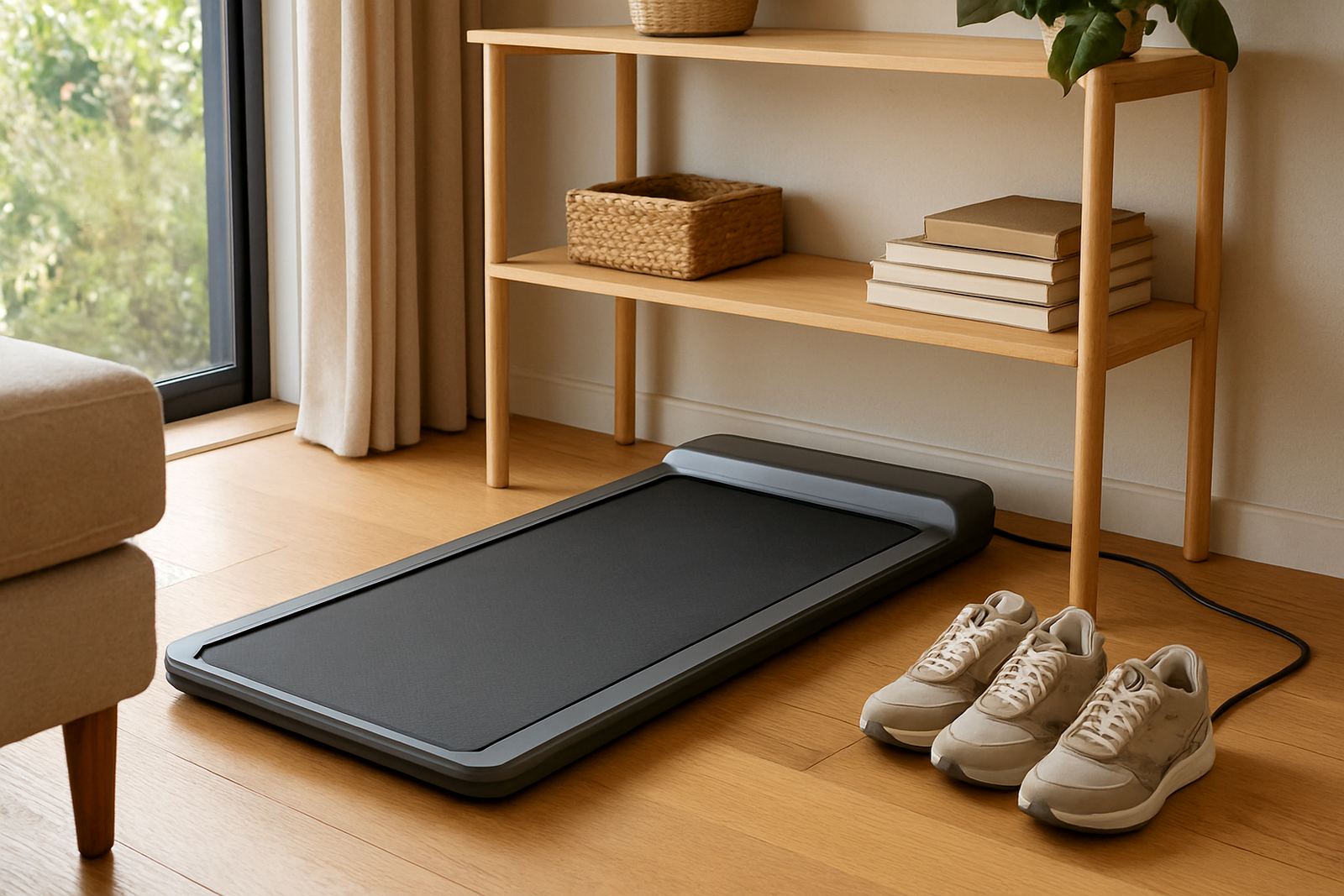
A walking pad suits homes where every square metre counts. In Fourways, Sandton apartments and townhouse patios, people often want something they can roll away after use rather than leave standing in a living room. That is where the compact frame helps, because it can sit under a bed, against a wall, or in a cupboard when not in use.
For many households, the main benefit is not speed or intensity, but consistency. A short walk before breakfast, after school drop off, or during a lunch break can add up over a week. If you live in a complex with shared spaces or strict noise rules, a walking pad is also easier to manage than heavier gym equipment. Some models are also better suited to apartment floors in winter when people are indoors more often and need a simple way to keep active.
Low impact movement that is kinder on joints
Walking is one of the most practical forms of low impact exercise. It keeps the body moving without the pounding that can come with running or high impact classes. For people managing stiff knees, sore ankles, or a gradual return to activity after a break, this matters. The pace can stay comfortable while still helping with daily movement and calorie burn.
- Warm up before strength training on a walking pad
- Use it after long sitting periods to loosen the hips and lower back
- Keep the pace steady for recovery days
- Set a timer for short sessions if you struggle to stay active consistently
It is also useful for older family members who want movement without feeling overwhelmed. In many cases, the goal is not a hard workout. It is about getting the body to move more often, with less strain and more control.
A practical way to build daily steps at home
One of the biggest walking pad benefits is how easily it fits into normal routines. You do not need to travel to a gym or plan a full training block. You can walk while listening to a podcast, taking calls, or doing a light stretching session nearby. That makes it much simpler to reach a step target on days when traffic, rain, or load shedding disrupts plans.
For people working from home in Midrand or Randburg, this can break up long periods of sitting. Even 10 to 15 minutes at a time makes a difference. If you are using a tracker as well, it becomes easier to see patterns in your movement and build a routine that suits your day rather than forcing one that doesnt. A small, repeatable habit often works better than an ambitious plan that falls away after two weeks.
- Keep water nearby so you do not skip sessions
- Place the pad where it is easy to step on and off safely
- Pair walking with a daily habit like morning coffee or evening TV
- Use a tracker to monitor your total weekly movement
Good for compact training plans and family use
A walking pad can support more than one training goal. Some people use it for fat loss, others for mobility work, and some simply want a way to stay active between school runs and office hours. In a family home, it can be shared by different users if the pace, height, and safety settings are suited to each person. That makes it useful for households that want one piece of equipment to serve several needs.
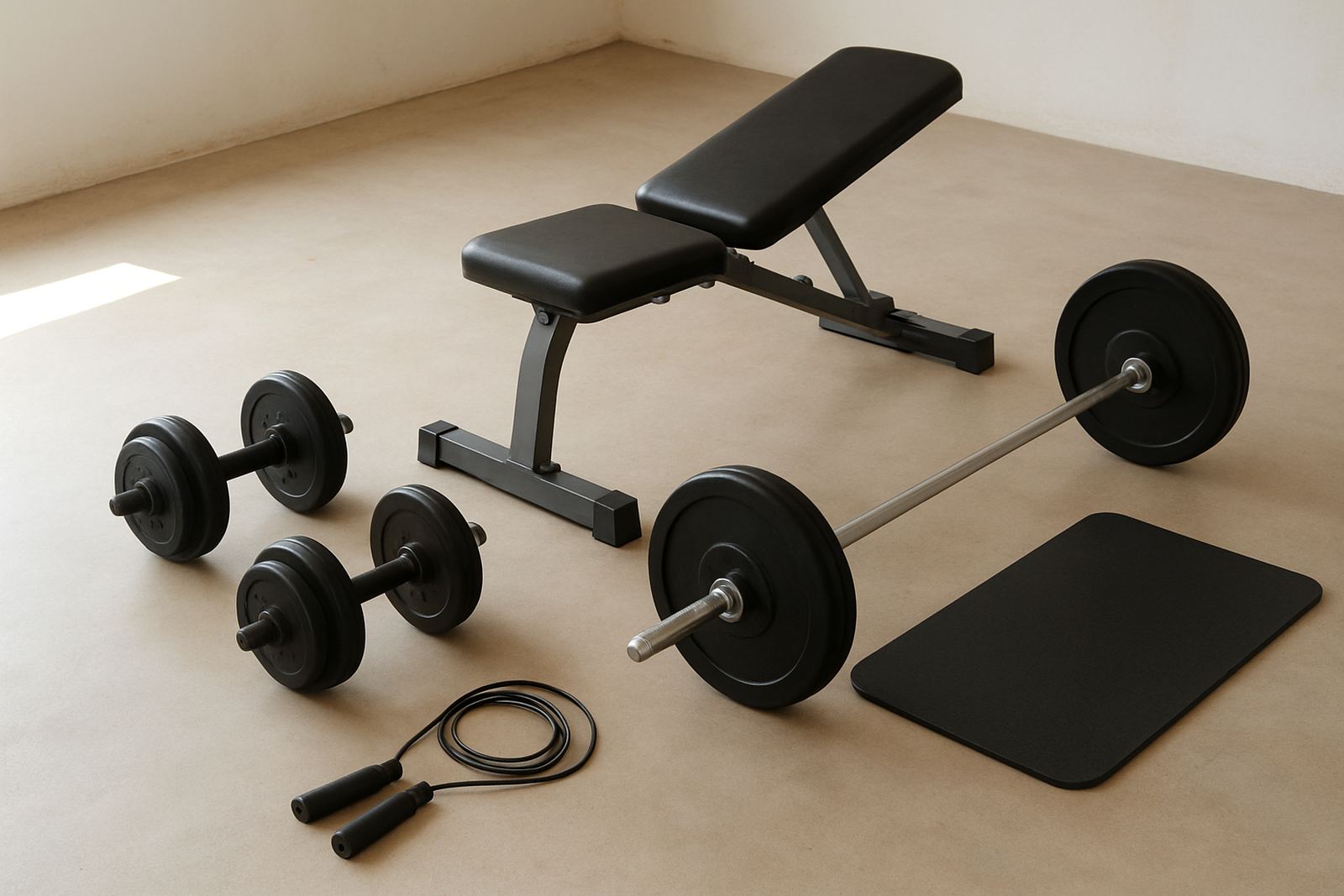
It also works well alongside other home gym items. For example, you can combine walking with resistance bands, dumbbells, or a mat-based strength programme. That gives you a balanced routine without filling the house with bulky gear. In a Pretoria East home, one client may use it for morning walks, while another family member uses it in the evening for a gentle cardio session after supper.
What to check before you buy one
Not every walking pad is the same, so it helps to look at the practical details before you choose. Motor strength, belt size, maximum weight capacity, and folding or storage design all affect how easy it is to use day to day. If your home has tiles, laminate, or a timber floor, check whether you need a mat underneath to reduce movement and protect the surface.
Noise is another point to consider, especially in sectional title homes or upstairs flats. Coastal humidity can also affect storage conditions, so it is worth keeping the unit in a dry indoor space rather than on an exposed patio. If you experience power interruptions, think about how you will position the equipment so it stays safe when you stop and start sessions. A simple setup often gives better long term use than a complicated one with too many extras.
- Measure your storage space before buying
- Check the top walking speed and display functions
- Ask about setup help if you are unsure where to place it
- Choose a surface that feels stable underfoot
Local example: building a routine in Fourways
A family in Fourways may have limited time, two school runs, and a small lounge that doubles as a training area. In that setting, a walking pad can be used for 20 minutes in the morning before work and another 15 minutes in the evening while children finish homework. The point is not to turn the home into a gym, but to make movement available when life is full.
For many households across Johannesburg, the best exercise is the one that actually fits. A walking pad can help with weight management, mobility, and general fitness without requiring a spare room or complicated routine. If you are starting from scratch, a short programme that includes walking, basic strength work, and regular check ins can make the whole thing easier to stick with.
FitSmart supplies walking pads and home training equipment from Fourways, with nationwide delivery and support for setup, planning, and ongoing use. If you want guidance on matching a walking pad to your space and goals, that practical help can save time and avoid a poor purchase.