
Start with the bit of floor you can protect
Before buying any equipment, measure the space you actually have. A corner that looks empty can shrink fast once you add a mat, a bench, a set of weights and room to move. In most homes, a training area of about 2 metres by 2 metres is enough for bodyweight work, a tracker driven cardio session or a compact strength setup.
Choose a spot with solid flooring and good air flow. In a Fourways townhouse, that might be the area next to a sliding door or a section of the garage that stays dry during summer storms. If you train on tiles or concrete, use thick mats to reduce noise and protect joints. This matters in sectional title homes where neighbours hear every dropped weight.
- Measure wall to wall, then leave at least 60 cm for movement on each side.
- Check ceiling height if you plan overhead presses or jump rope sessions.
- Pick a place close to a plug point if you need to charge trackers or small training devices.
- Keep the corner away from damp walls and direct afternoon sun where possible.
Choose equipment that suits the space, not the other way round
Small home training areas work best when the equipment earns its place. A compact setup can still cover strength, cardio and mobility if each item has a clear use. Think in terms of movement patterns instead of collecting random gear.
For many homes in Johannesburg, a smart tracker, adjustable dumbbells, a skipping rope and a stable bench will do more for consistency than a room full of unused items. If you are planning for family use, choose pieces that can be shared safely across different ages and fitness levels. A simple starter plan is easier to stick to than a complicated one.
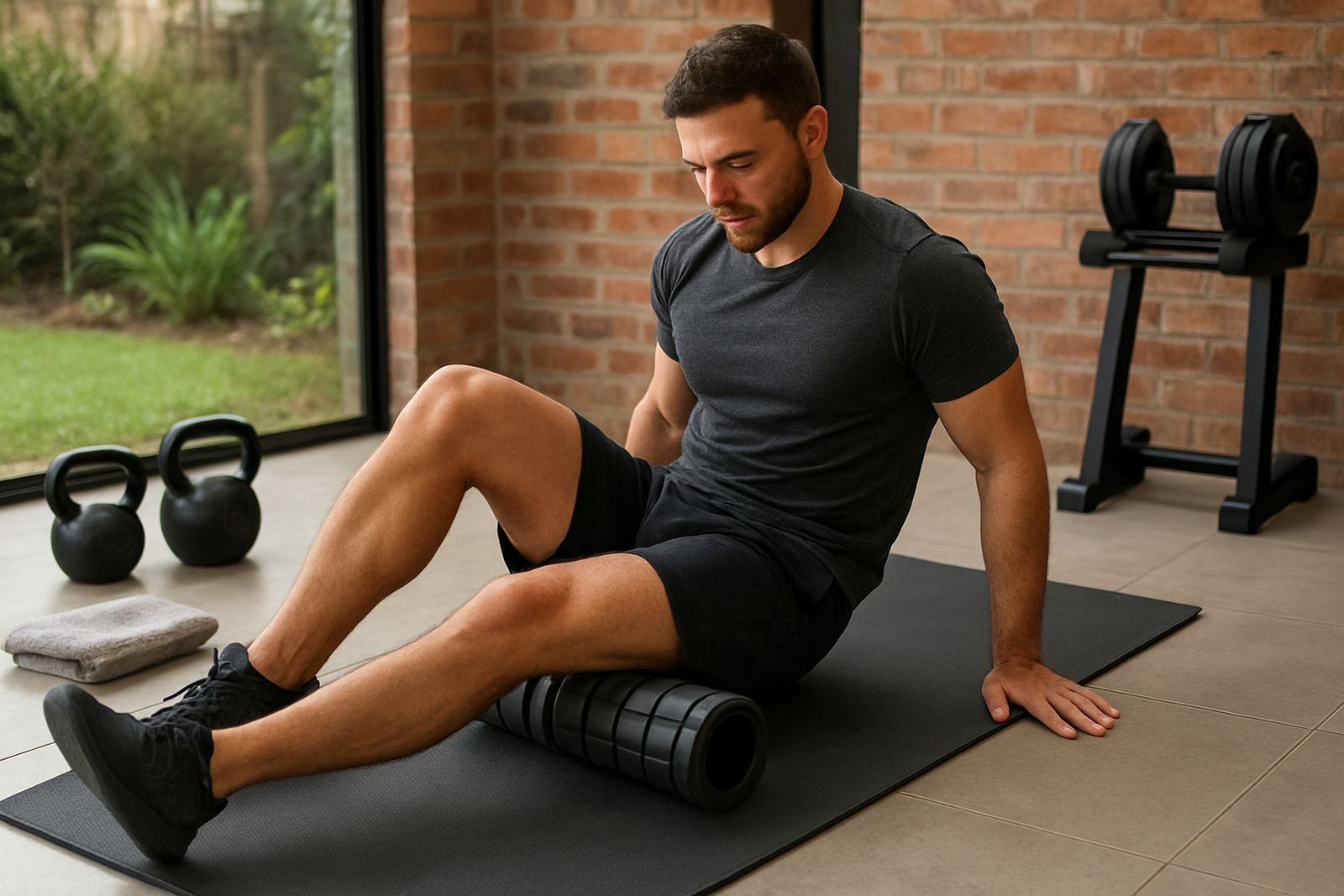
- One mat for floor work and stretching.
- A set of adjustable dumbbells for presses, rows and squats.
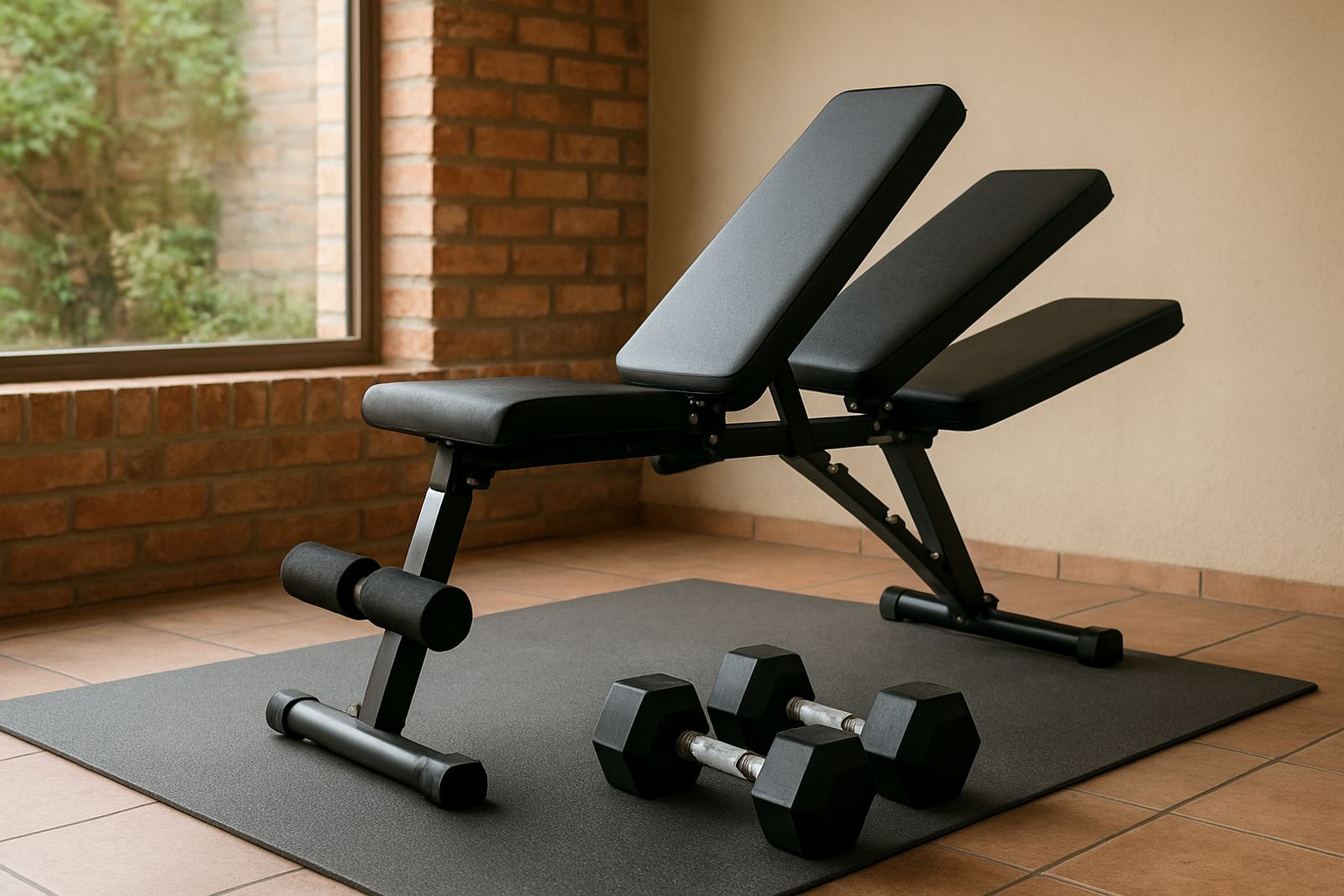
- A bench or step that can support strength work.
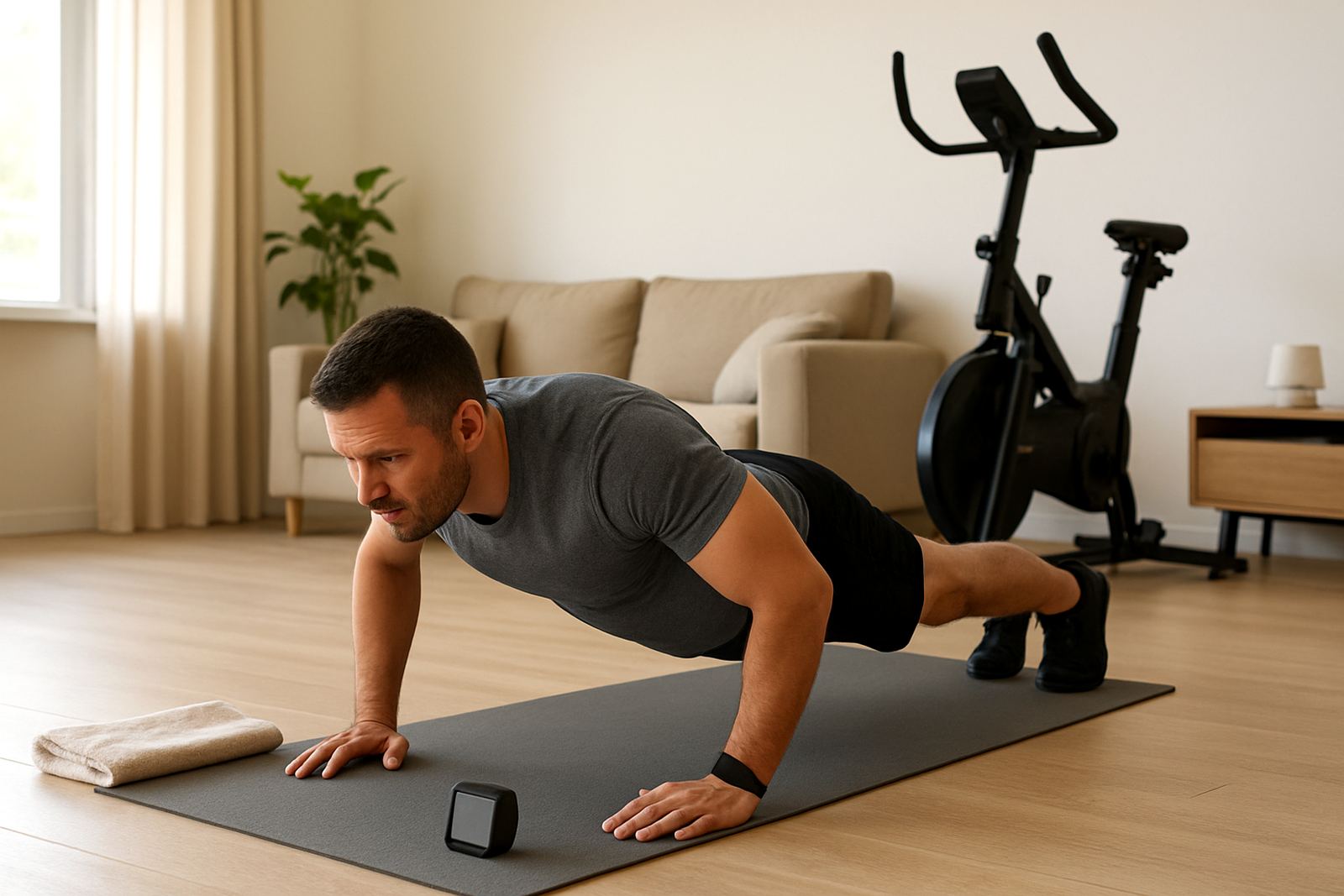
- A smart tracker to monitor time, heart rate and workout volume.
- A storage rack or basket so nothing ends up scattered across the room.
Make the corner easy to use during load-shedding and busy evenings
In South Africa, a home gym has to work when the power is off and when the day has already run late. That means keeping things simple, visible and ready. If a session takes 10 minutes to set up, most people will skip it. If it takes 30 seconds, it becomes part of the routine.
Use natural light where you can and keep a torch nearby for early mornings or load-shedding slots. Charge trackers and phones in advance, and store resistance tools where you can grab them without moving furniture. For households in Randburg or Roodepoort, where space often has to serve more than one purpose, foldable gear and wall storage can make a big difference.
- Keep a charged power bank near the workout area for trackers and phones.
- Use wall hooks or a narrow shelf for straps, bands and skipping ropes.
- Set out tomorrow’s session the night before so there is less friction.
- Choose equipment that can be cleaned quickly after a sweaty session.
Build around the kind of training you will actually do
A useful workout corner should match your programme, not a fantasy version of training. If your focus is weight loss, cardio and simple strength circuits may matter more than a complicated rack setup. If you want to gain strength, stable lifting space and progression tools become more important. For mobility work, you need floor space, grip and enough calm to move without rushing.
FitSmart customers often start with one clear goal then add tools as the routine settles. That makes sense because home training works best when the setup supports consistency. A young professional in Sandton may want short sessions before work, while a family in Pretoria East may need a corner that can handle shared evening use. The room should fit the plan, not the other way round.
- Starter Programme: built for people easing into regular exercise with manageable sessions.
- Strength Programme: suits a corner with room for controlled lifting and rest periods.
- Cardio Programme: works well with minimal equipment and enough safe stepping space.
- Mobility Coaching: useful for people who sit at a computer all day and need movement resets.
Keep storage tidy so the corner stays inviting
A cluttered workout corner quickly becomes a storage dump. Shoes, school bags, ironing baskets and spare chargers can take over if the area is not clearly defined. The trick is to give every item a home and keep the workout zone visible. When the space looks ready, it is easier to train without overthinking it.
Simple storage also helps with safety. Loose plates, cords and small accessories can cause trips, especially in low light. If the corner sits in a family room, use a low shelf or a closed bin so the area still feels neat when guests arrive. In coastal humidity areas people often forget that mats and fabrics need to dry properly, otherwise they start to smell musty after a few weeks.
- Use one basket for small accessories and another for cleaning cloths.
- Wipe sweat off mats and handles after each session.
- Store heavier items low down so they cannot fall on anyone.
- If you share the room, mark the training area with a mat or rug that can be rolled up.
A Fourways example that works in real life
Consider a couple in Fourways with two children and limited extra space. They use a corner of the lounge that is about 2.5 metres wide and 2 metres deep. One wall has a mirror already, which helps with form checks, and the other side holds a narrow storage unit for shoes and training accessories. They train in the early morning before school runs, then again with the children on weekends.
The setup includes a mat, adjustable dumbbells, a skipping rope, a compact bench and a smart tracker for each adult. The children use the same floor area for stretching and light bodyweight work. Nothing stays out permanently except the mat and storage basket, so the lounge still functions as a living area. That is the real test of a good workout corner: it supports training without taking over the house.
For homes across Johannesburg, from Midrand to Pretoria East, this kind of setup is practical because it can grow over time. Start with the basics, add only what you will use and keep the routine simple enough to repeat on a busy week.