Why Foam Rolling Helps After a Session
A foam roller is not magic, and it will not replace proper warm-ups, strength work, or rest days. What it can do is help you work through tight muscles, improve how a sore area feels, and make recovery a bit easier after running, cycling, gym work, or long hours sitting in the car between Fourways and Sandton.
Most people get best results by rolling slowly and staying on the tender spots for a few breaths instead of rushing back and forth. If you have just finished a hard leg day, or you are trying to loosen up after a Pretoria East park run, keep the pressure steady and controllable. Too much force just leaves you tensing up more.
- Use foam rolling after training, not as a replacement for a proper warm-up.
- Work on one area at a time for 30 to 60 seconds.
- Breathe out slowly when you find a tender point.
How to Set Up for Safe Rolling at Home
You do not need much space. A yoga mat, a clear floor area and a roller are enough for most home routines. If you are training in a garage in Randburg or a spare room in Midrand, make sure the floor is dry and stable, especially during load-shedding when lighting can be poor and you are moving around in a hurry.
Wear shorts or fitted training gear so the roller moves without snagging. Keep your weight supported by your hands and the opposite leg where needed. The rule is simple: if a position makes you hold your breath or brace hard, ease off a little because that is usually too much pressure for recovery work.
- Choose a firm surface, not a soft bed or couch.
- Keep water nearby if you are rolling after a sweaty session.
- Move slowly and stop if you feel sharp pain, numbness or tingling.
Best Places to Roll After Training
The most useful areas for many home trainers are the calves, quads, glutes, upper back and the outer thigh area. Start with bigger muscle groups and simple movements before trying anything tricky. In Johannesburg winters, where muscles can feel tighter in the morning, a short rolling routine before stretching often helps the body settle down a bit better.
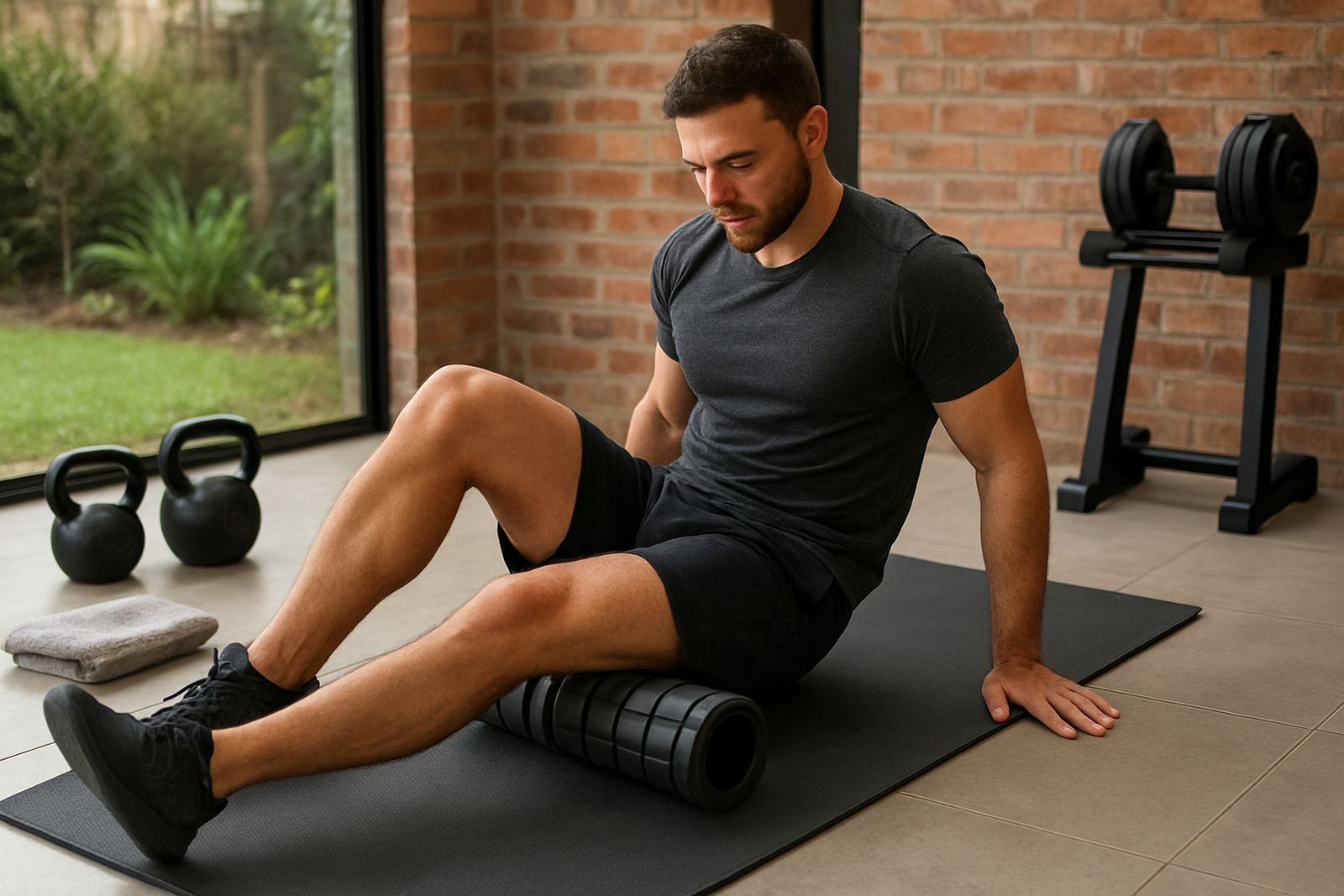
For calves, sit with one leg over the roller and use your hands to lift and lower your body. For quads, lie face down with the roller under the front of one thigh. For the upper back, place the roller across the shoulder blade area and support your head with your hands, then move from mid-back to the lower ribs. Small pauses on sore spots are normal, but keep them brief. Dont grind on one point for minutes on end.
- Calves: useful after skipping, running and treadmill work.
- Quads: helpful after squats, lunges and stair training.
- Glutes: good for cyclists and anyone who sits long hours.
- Upper back: useful for office work and posture fatigue.
A Simple 10-Minute Foam Rolling Routine
A short routine works well if you stay consistent. After training, spend two minutes on calves, two minutes on quads, two minutes on glutes, two minutes on upper back and the final two minutes on any area that still feels tight. This is enough for most people at home, and it is easier to keep up with than a long routine you never finish.
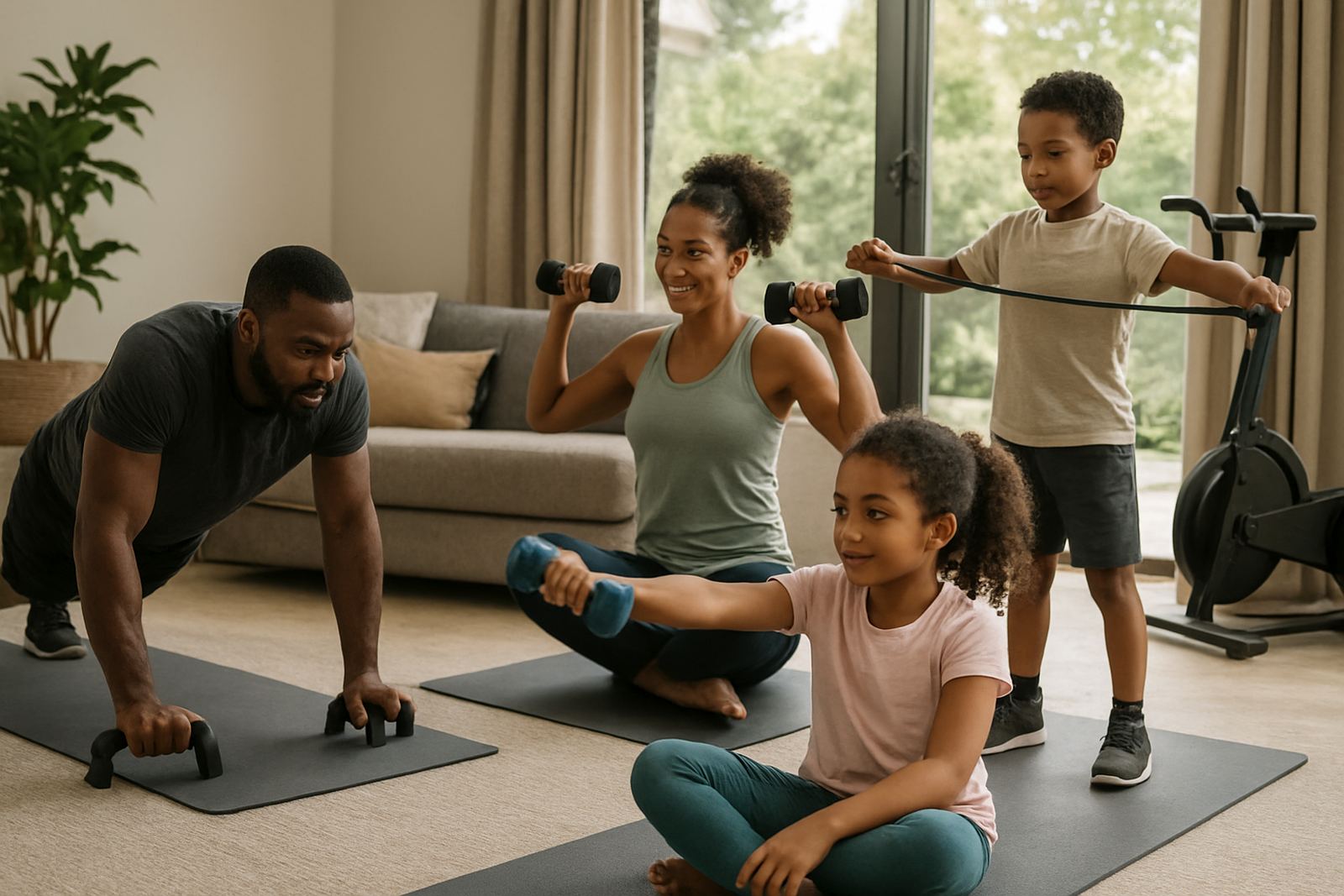
If you are doing a family fitness plan at home, keep the session calm and structured so everyone knows where to go next. Parents often find that a light rolling session after a walk or bodyweight workout helps them move better the next morning, especially when the week has been busy and recovery has been poor.
- Use slow passes, about 2 to 3 cm per second.
- Pause for 5 to 10 seconds on a tender area.
- Repeat the same muscle on both sides so you stay balanced.
When Not to Roll, and When to Back Off
Foam rolling should feel uncomfortable at times, but it should not feel dangerous. Avoid rolling directly over joints, open wounds, bruises, fresh strains or areas with swelling. If you have a medical condition, recent surgery or ongoing pain, get proper advice before making it part of your recovery routine.
Back off if your body responds with sharp pain, a burning feeling that doesnt ease, or worse movement after the session. A good sign is that you stand up feeling a little looser, not flattened or sore in a new way. If you are training in coastal humidity around Durban or summer heat elsewhere, remember to hydrate well too, because recovery works better when you are not running on empty.
Choosing a Roller That Suits Your Training Space
Different rollers suit different needs. A softer roller is easier for beginners or people who are very sensitive to pressure. A firmer roller gives deeper pressure for those who already know how to relax into it. Longer rollers are useful for broad back work, while shorter ones fit neatly into a small flat or garage gym in areas like Roodepoort or Fourways.
If you are setting up a home training corner, think about how often you will use the roller and who in the household might share it. A practical setup can include a mat, a roller, a water bottle and a small towel. That is usually enough for a simple recovery routine that fits into real life, not just perfect conditions.
- Beginners: softer surface and moderate length.
- Regular trainers: firmer roller for more pressure control.
- Shared family use: medium firmness works well for most people.