
Begin with a routine you can repeat
Most people do not struggle because they lack effort, they struggle because the plan is too big. If you are starting from scratch, aim for 20 to 30 minutes, three times a week. That is enough to build a habit and enough to feel the difference in energy, sleep and mood within a few weeks.
Choose a fixed time that fits your day. Early mornings work well for many commuters in Johannesburg, while parents often prefer after school drop-off or after supper once the house is quiet. The important thing is not perfection, it is repeatability.
- Pick three training days and write them into your calendar
- Keep sessions short enough to finish even on a busy day
- Use the same corner of the home so setup is quick
Start with the floor space you already have
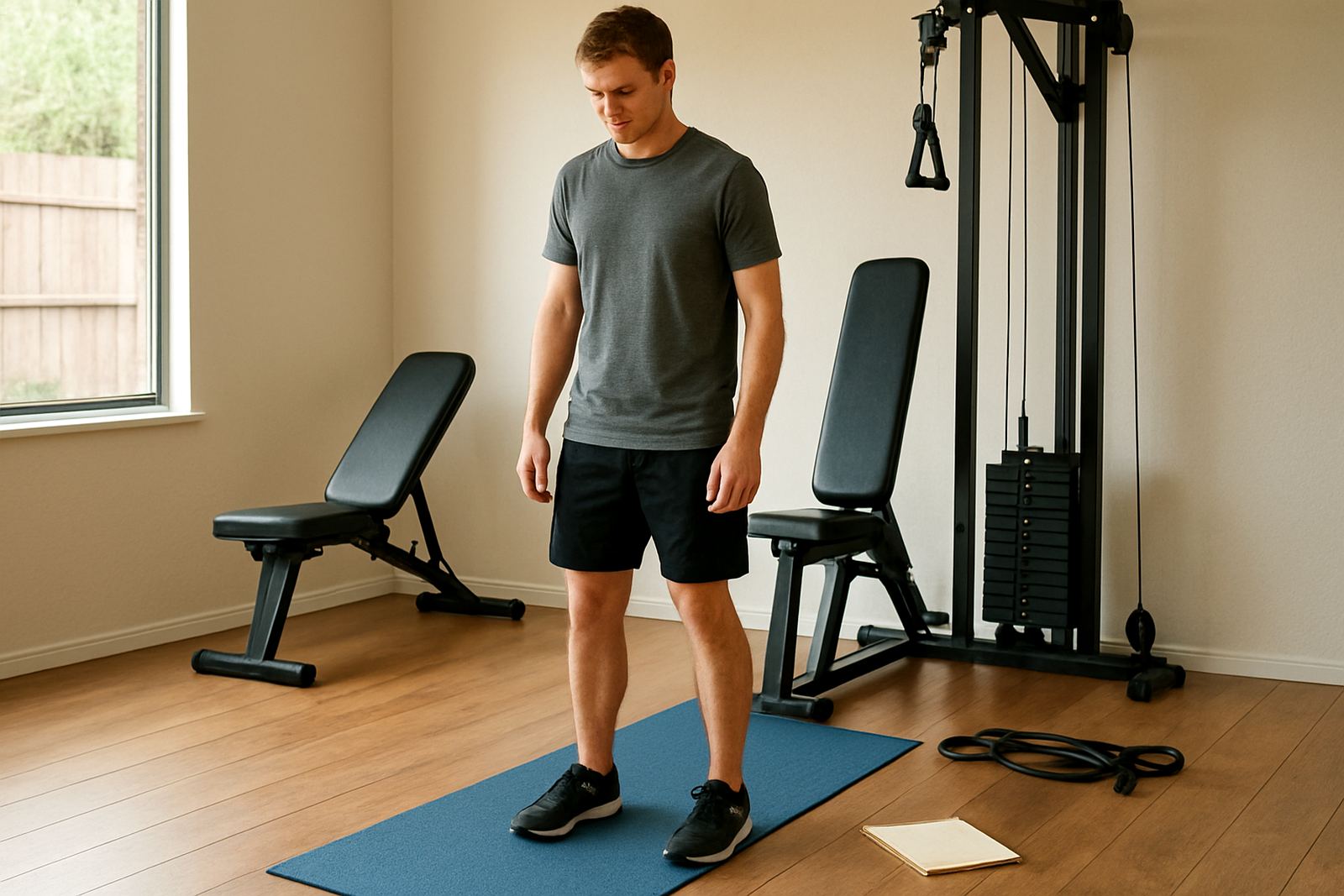
You do not need a big room to train well. A clear area of 2 metres by 2 metres is enough for bodyweight work, a mat, a pair of dumbbells and a compact tracker. In a townhouse, spare room or section of the lounge, good planning matters more than square metres.
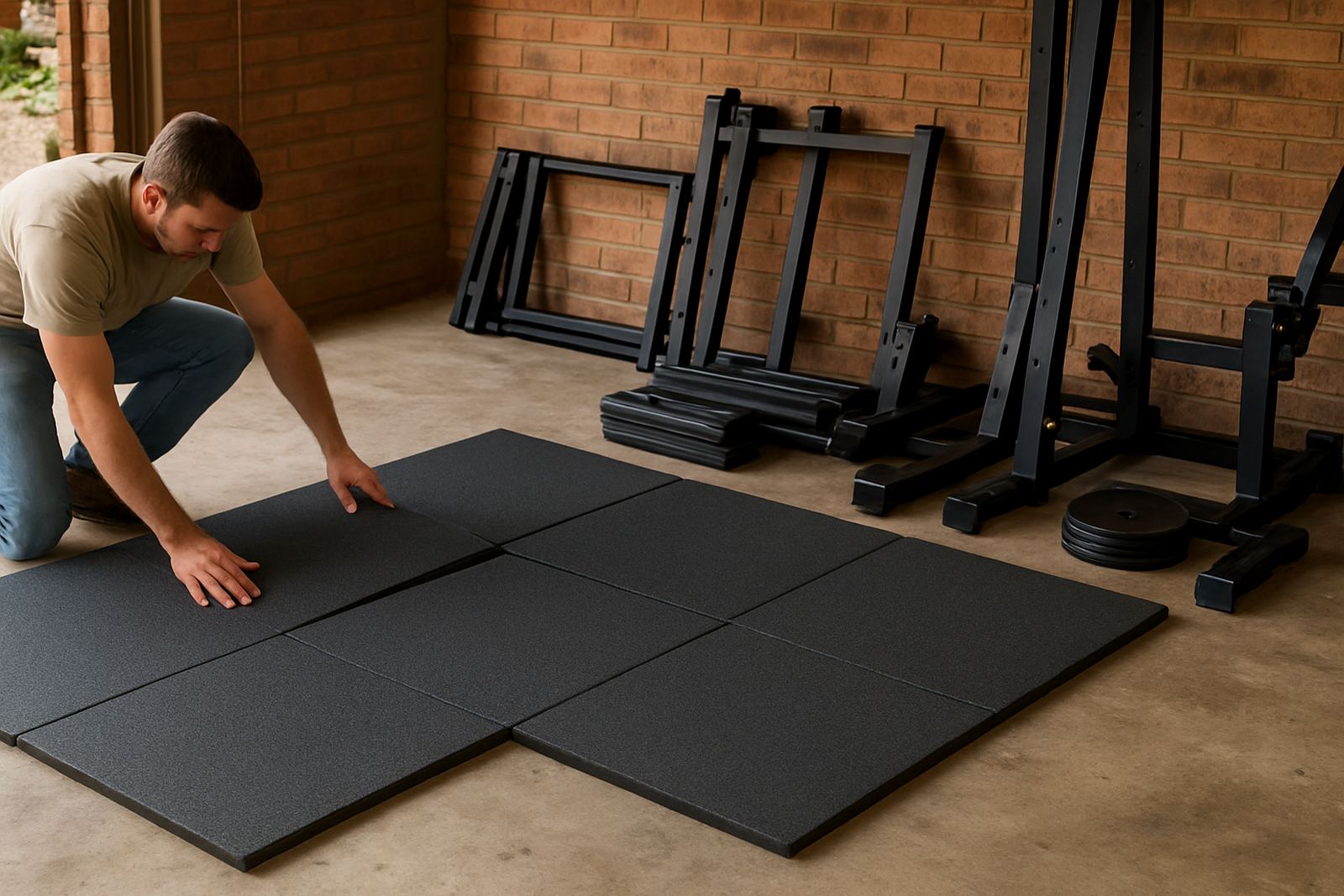
If you live in a sectional title complex in Sandton, Midrand or Randburg, keep noise in mind. Use a mat under weights, avoid dropping equipment, and choose low-impact cardio when neighbours are close. If you are on the coast later in the year or moving gear between homes, wipe metal parts dry after use because coastal humidity can cause rust faster than people expect.
- Measure your training area before buying equipment
- Leave a clear walkway for safety
- Store items in one crate or rack so the room still feels livable
Choose simple equipment that earns its space
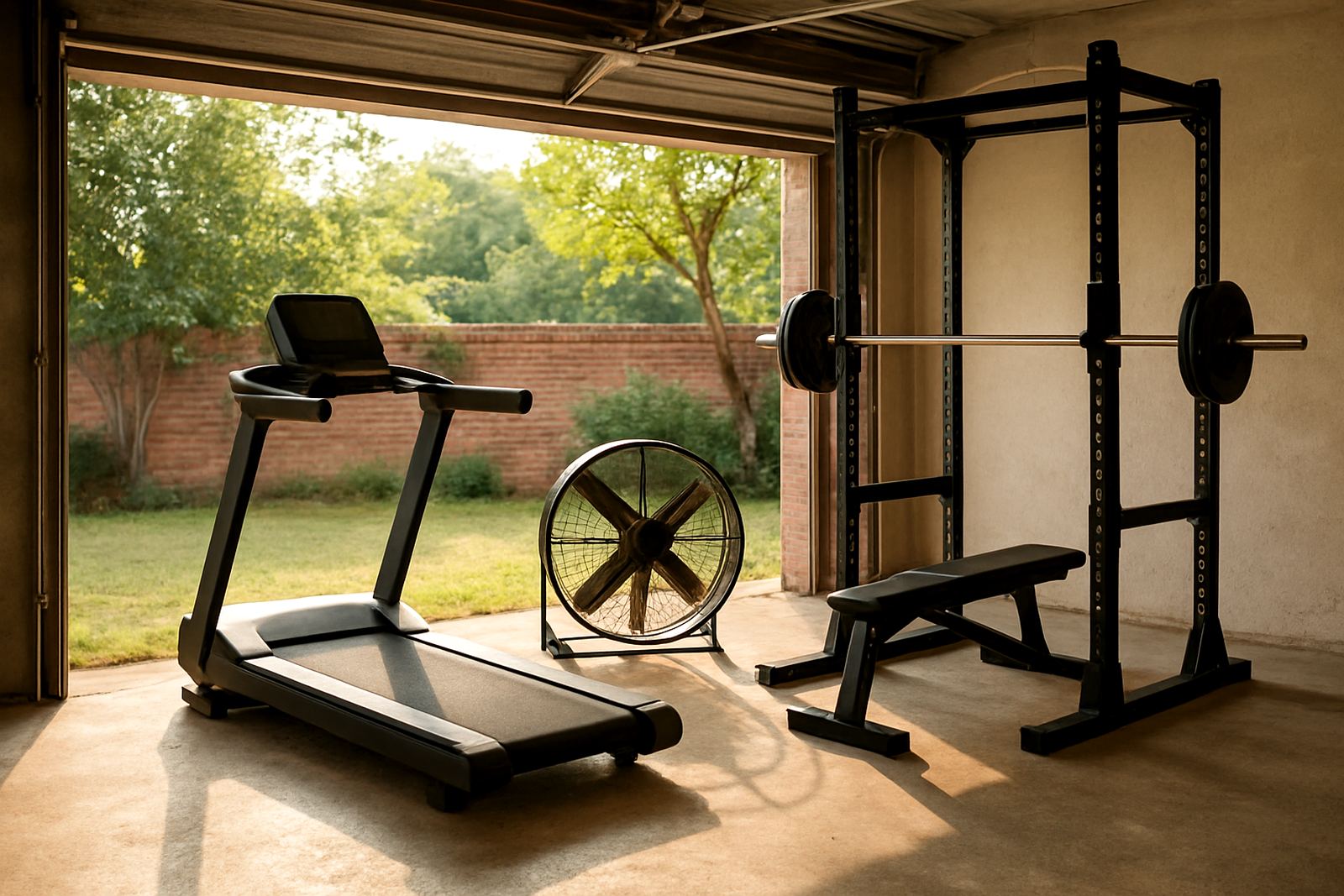
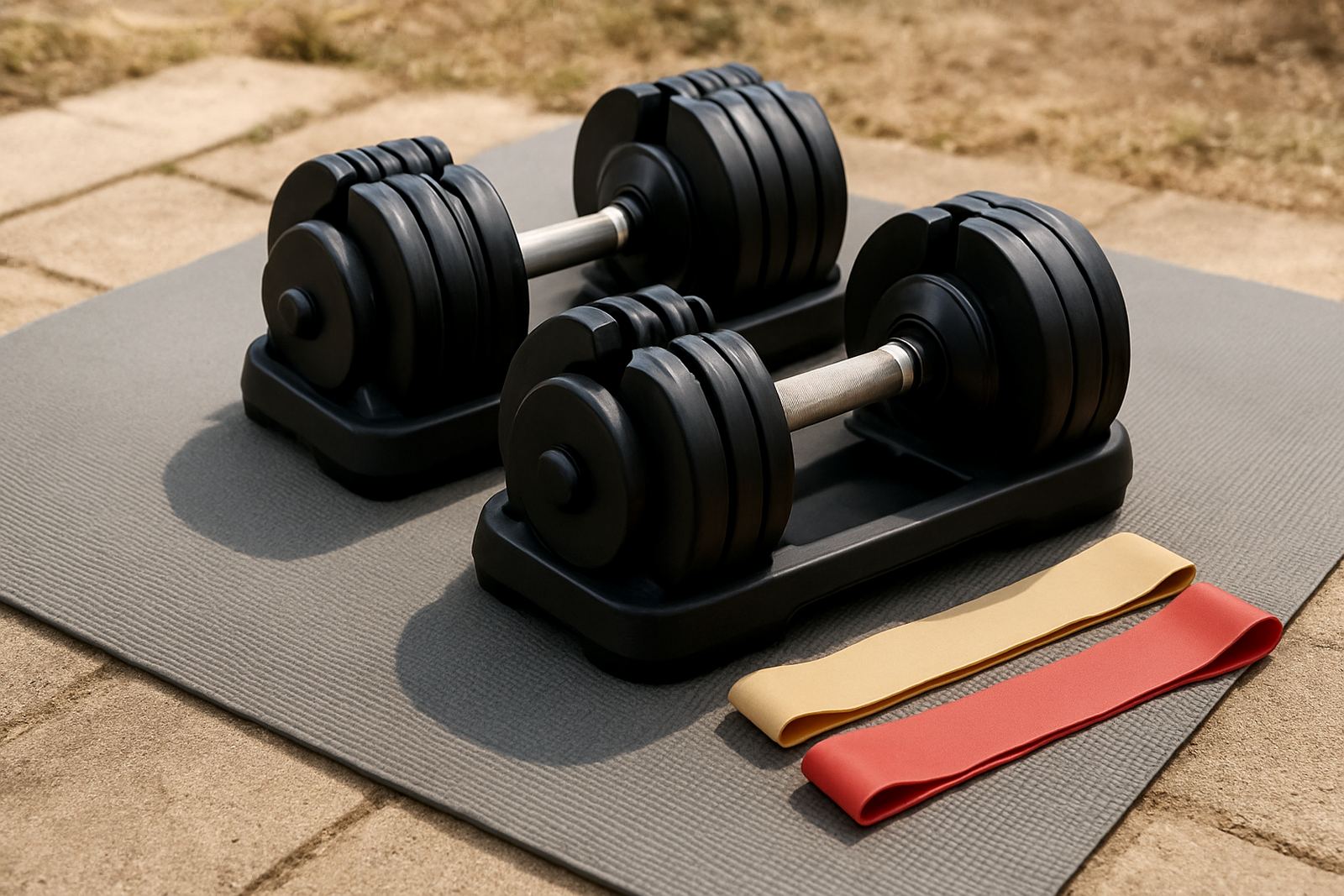
For a first home setup, buy only what you will use weekly. A mat, resistance bands, adjustable dumbbells and a jump rope cover a lot of ground. If you want more variety, a bench or compact cardio machine can help, but only if you have the room and the budget.
It is also worth thinking about power cuts. During load-shedding, equipment that does not rely on mains power keeps training consistent. A fitness tracker that records steps, heart rate and session time is useful because it gives you a clear picture of progress without complicated setup.
- Mat for floor work, stretching and core training
- Bands for mobility, glute work and assisted strength exercises
- Dumbbells for presses, rows, squats and lunges
- Tracker for daily movement, sleep and workout time
When buying gear, ask whether it fits your current level and whether it can grow with you over the next 6 to 12 months. That question saves money, and a fair amount of frustration too.
Make the first four weeks very straightforward
Your first month should feel manageable. Build around whole-body sessions instead of trying to split everything into advanced body-part days. That keeps the routine simple and helps your body adapt without leaving you sore for the next three days.
A basic pattern could be one strength session, one cardio session and one mobility session each week. On strength days, use squats, push-ups, rows and deadlifts with light dumbbells or bands. On cardio days, walk briskly, cycle, step or follow a short interval session. On mobility days, focus on hips, shoulders and lower back.
- Week 1: learn the movements and keep effort moderate
- Week 2: repeat the same plan and improve form
- Week 3: add a few more reps or one extra set
- Week 4: check what feels easy and what needs adjusting
Use tracking to stay honest, not obsessed
A tracker helps when it gives you useful feedback. Track steps, heart rate during sessions and the number of workouts completed each week. If fat loss is your goal, also note body measurements and how your clothes fit because the scale can move slowly some weeks, especially when salt intake or water retention changes.
For families, this can be very practical. One parent may want a weight loss focus, another may want strength, and the children may simply need a way to move more after school. A shared goal of 7 000 to 10 000 daily steps can work well for adults, while kids do better with active play, short challenges and a little healthy competition.
If you are in Fourways, a good local example is a couple setting up a small training corner in a spare room, then doing 25 minute sessions before work three times a week. They keep a mat by the wall, a pair of dumbbells under a shelf and a tracker charging near the kettle. No fancy setup, just consistency.
Get help early if you want faster progress
Many people wait too long before asking for guidance. A short starter programme can save months of trial and error. It helps to know whether you need a strength plan, a cardio plan, a weight loss focus or mobility work because each one needs a different pace.
That support can also cover equipment onboarding, tracker setup help and home gym planning. If you are unsure what to buy for your space in Pretoria East, Roodepoort or Midrand, start with the basics and build slowly. A clean plan and the right gear are better than buying too much at once.
- Starter Programme for beginners who need structure
- Strength Programme for building muscle and confidence
- Cardio Programme for heart health and conditioning
- Family Fitness Plans for shared routines at home
The best home fitness plan is the one you can keep doing on an ordinary Tuesday. Once that works, everything else becomes easier.