Why rowing works when you want full body conditioning
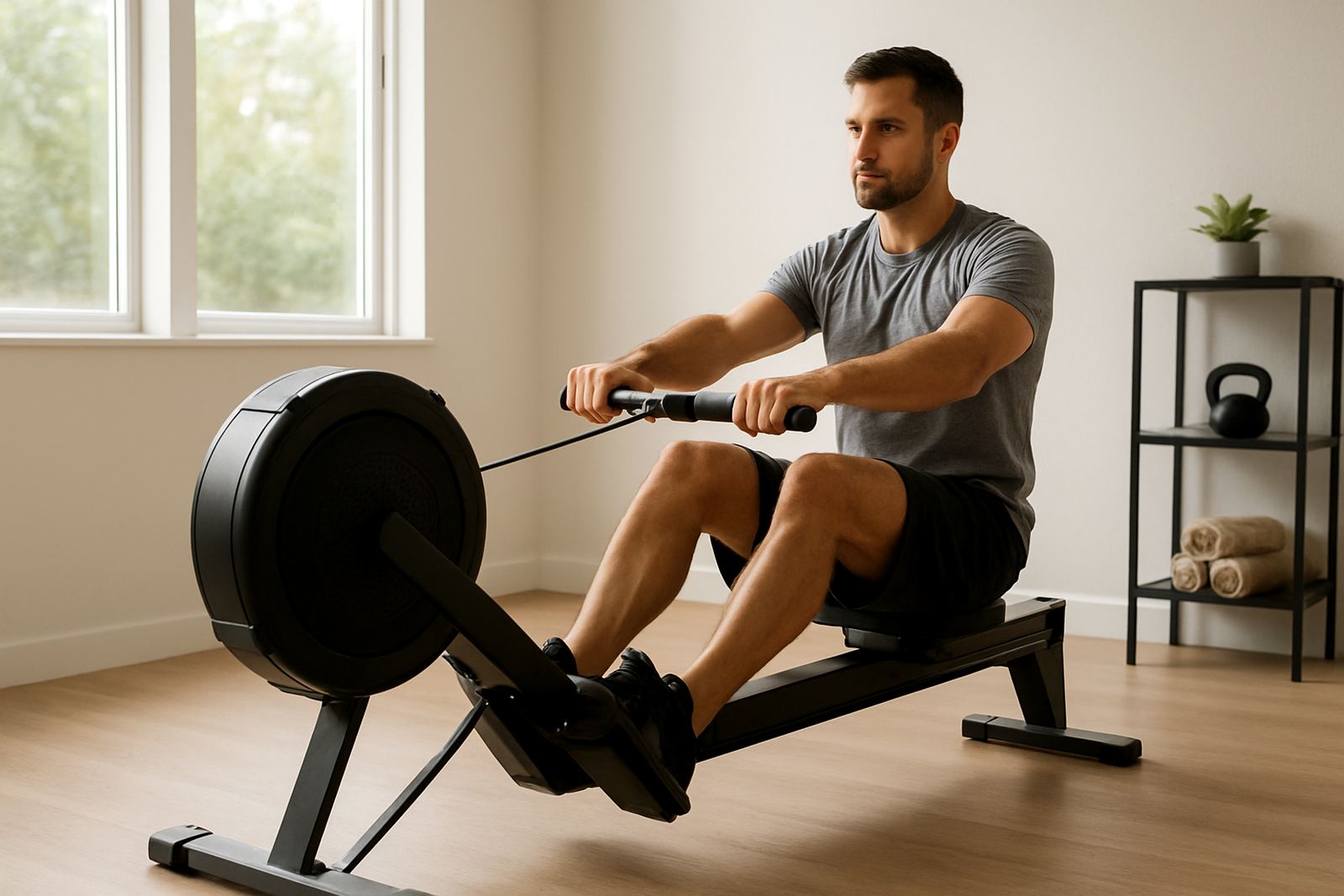
A rowing machine is one of the few home fitness tools that asks a lot from the body without putting heavy strain on the knees and ankles. Each stroke uses the legs, core, back, shoulders and arms in one controlled movement, so you are not only working on cardio but also on coordination and endurance.
For many people this matters more than they expect. If you live in Fourways, Sandton or Midrand and want to train before work, rowing can give you a proper session in 20 to 30 minutes. You do not need a large room either, and a fold-up unit can fit better into a home gym than many people think. The key is consistency, not long sessions every now and again.
Low impact training that still feels serious
Compared with running on a hard surface or jumping workouts, rowing is kinder on the joints. That makes it a solid option for people starting again, older users, or anyone dealing with stiffness after long hours at a desk. It is not a soft option though. If you push the pace properly, rowing can leave you sweating fast and breathing hard.
This balance is what makes rowing practical for households in Johannesburg where space, neighbours and load-shedding all affect training routines. You can row indoors year round, early in the morning or after sunset and still get a proper session done. For many users that predictability is what keeps momentum going.
- Low impact on knees, hips and ankles
- Easy to scale from steady cardio to harder intervals
- Useful for warm-ups, fat loss work and conditioning
- Suitable for mixed fitness levels in one household
The muscles rowing trains in a normal session
Good rowing form starts with the legs, then the hips and core, followed by the pull through the upper body. That sequence means you are not relying only on the arms, which is a common mistake when people start out. When done properly, rowing helps build a stronger posterior chain and better posture over time.
It is also a neat way to combine cardio with strength work. If your goal is weight loss coaching or general conditioning, the machine can support both. A steady row helps with aerobic fitness, while interval sessions can push heart rate up quickly. You can adjust resistance and pace to suit your own level, which is useful if the whole family uses the same machine.
- Leg drive for quads, glutes and hamstrings
- Core work for stability and control
- Upper back and shoulders during the pull phase
- Grip and forearm engagement with every stroke
How to row better at home without wasting effort
Many people think rowing is about pulling as hard as possible, but the real value comes from rhythm and technique. Start with the legs, keep the torso stable and finish the pull with the arms. On the return, reverse the movement calmly. If you rush the recovery you lose control and the session feels messier than it should.
A few practical habits help a lot. Set the foot straps properly, keep the screen easy to read and work at a pace you can repeat. If you are using the machine in a garage or spare room in Gauteng, make sure the floor is level and that there is enough space behind you. It sounds basic but it stops a lot of small frustrations later on.
For households dealing with load-shedding, rowing is also practical because it does not depend on outdoor light or road conditions. One good session before the power dips can carry you through the day.
How rowing supports weight loss, mobility and family fitness
Rowing can sit inside several training goals at once. If you are working on fat loss, it gives you a reliable calorie burn without pounding the joints. If mobility is a priority, the repeated hip and knee action can help you move more freely when done with control. If more than one person in the home wants to exercise, rowing is simple enough to share.
FitSmart customers often ask for home gym planning because they want gear that serves more than one purpose. Rowing fits that need well. A parent in Roodepoort might use it for a 15 minute conditioning block before school run, while a teenager in Pretoria East uses it for sports conditioning in the evening. Same machine, different goals, no fuss.
- Weight loss support through steady or interval sessions
- Mobility-friendly movement when done with good form
- Family use across different fitness levels
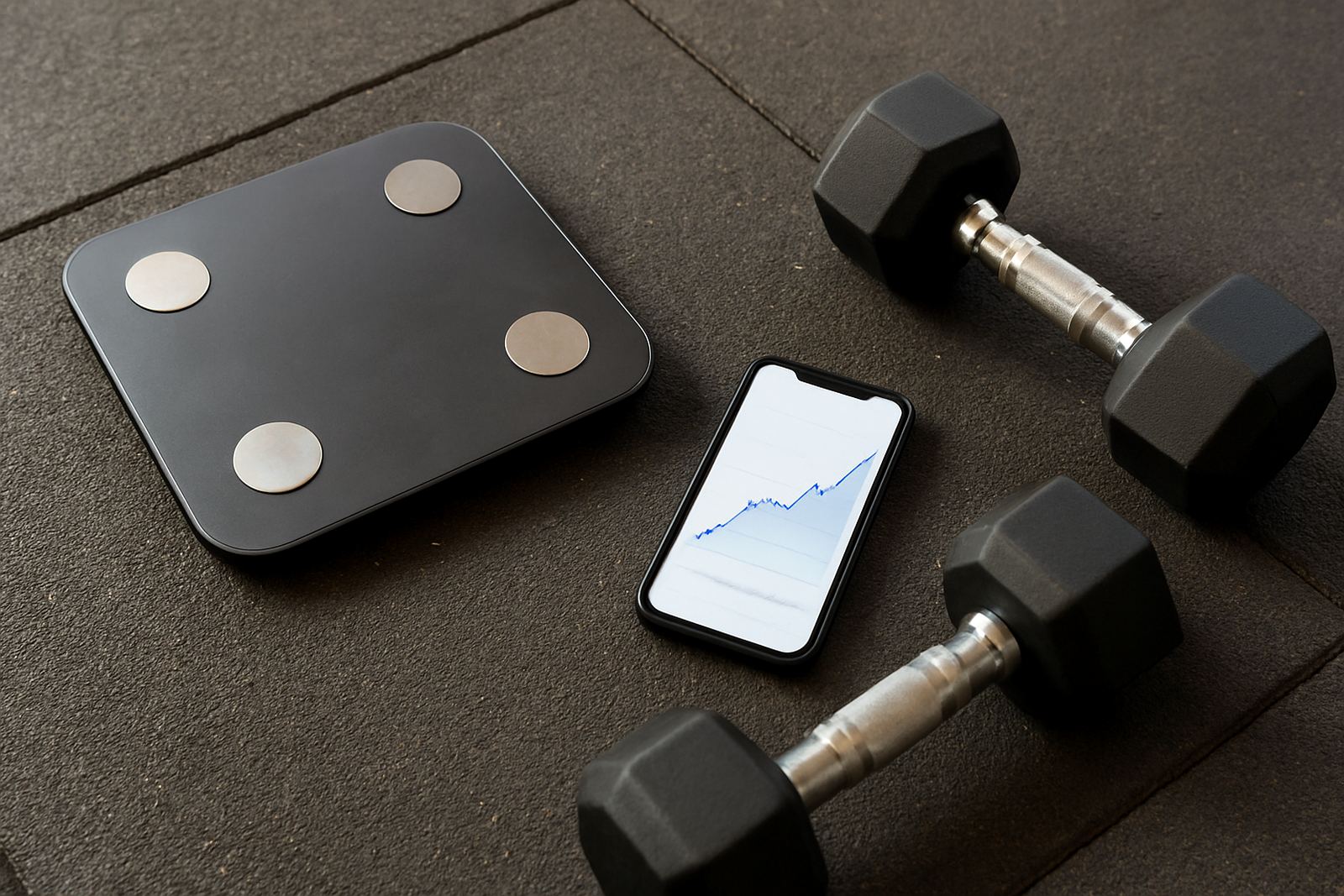
- Pairs well with tracker feedback for heart rate and recovery
Choosing rowing equipment for South African homes
Not every home gym has the same space or training needs, so it helps to choose equipment with practical limits in mind. Check the footprint, storage position and the feel of the resistance. In coastal areas, humidity can also affect metal parts and moving joints, so it is worth wiping down equipment after use and keeping it in a dry area where possible.
For buyers in Johannesburg, Fourways and nearby areas, it is sensible to think about who will use the machine and how often. A beginner doing three sessions a week has different needs from someone training for a half marathon or supporting cardio work around strength training. FitSmart offers equipment onboarding, tracker setup help and home gym planning so the machine actually suits the way you live, not just the space on the floor.
Nationwide delivery also matters because many South African homes are setting up workout spaces one item at a time. Start with the machine, add a tracker or a basic training plan, and build from there. That approach is usually cheaper than buying bits that do not work together.
A simple rowing routine that can start this week
If you want to use rowing properly, keep the first plan simple. The aim is to build a habit you can repeat, not to finish every session wrecked. Two or three sessions a week is enough to see progress for many beginners, especially if you pair rowing with walking, mobility work or strength training.
Try this basic structure:
- 5 minutes easy row to warm up
- 8 minutes steady pace at a comfortable effort
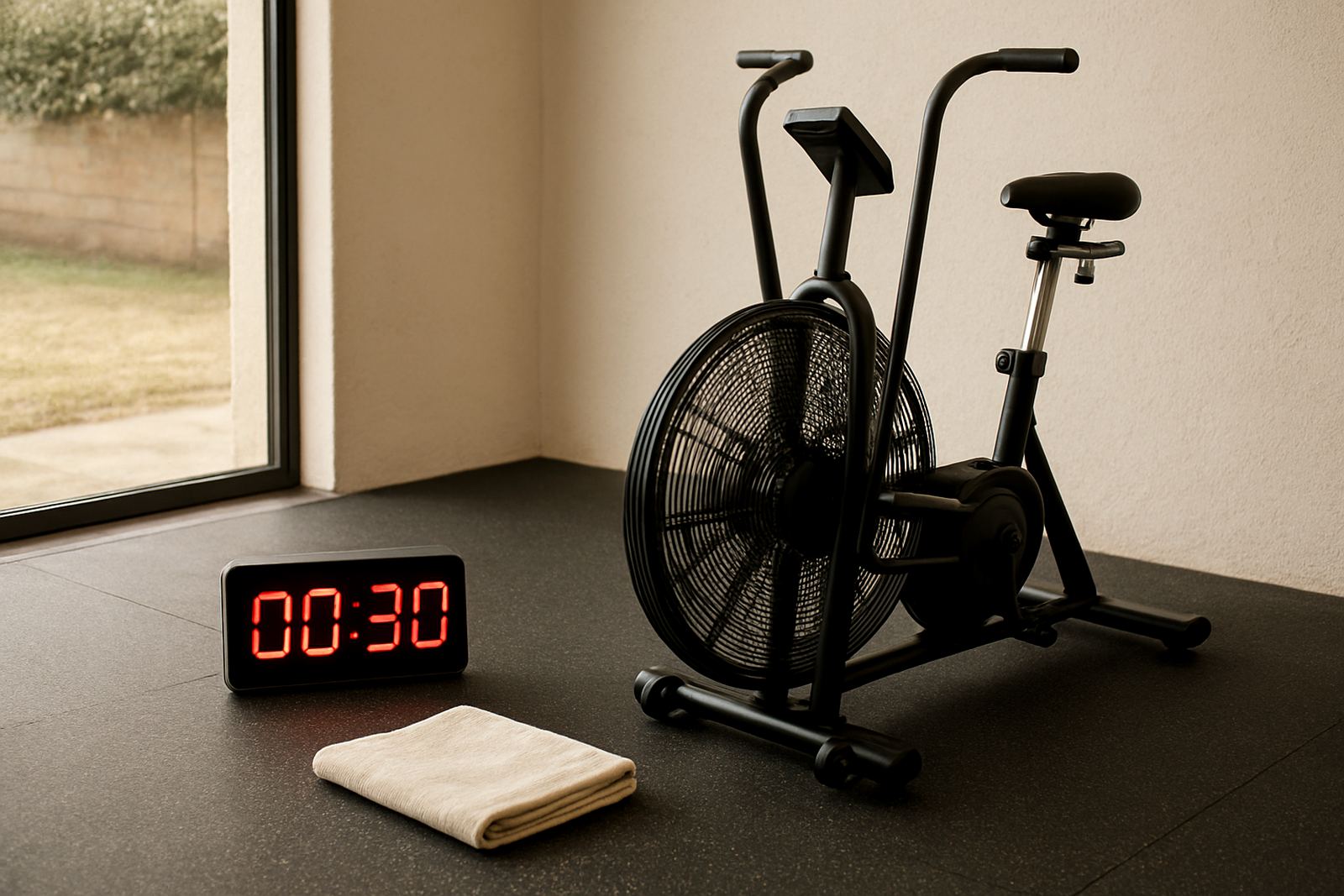
- 4 rounds of 30 seconds faster rowing and 60 seconds easy
- 3 minutes cool down and light stretching
That type of session suits busy people in Sandton, Midrand or Randburg because it is short, repeatable and easy to adjust. Once the body adapts, you can increase time, pace or resistance without changing the whole routine. Small steps matter more than perfect sessions.