
Start with a monthly figure, not a wish list
Before you buy anything, decide what you can spend without pressure. For many first-time buyers in Johannesburg, that means setting a clear budget of R3,000, R5,000 or R10,000 and sticking to it. A fixed figure helps you avoid adding extras you do not need, especially when shopping online and seeing bundles that look cheaper than they are.
Think in terms of monthly value too. If you spend R6,000 on equipment you use three times a week for two years, the cost per session becomes very small. That is a better way to judge the spend than comparing one treadmill to another by price alone.
- Set your total budget first
- Split it into must-haves and nice-to-haves
- Leave at least 10 percent for delivery or setup costs
Choose equipment that matches your training style
The biggest mistake is buying gear for a routine you have not started yet. If you want to lose weight, your first spend may go into a mat, resistance bands, a skipping rope and a basic tracker. If you want strength work, adjustable dumbbells, a bench and a pull-up option may make more sense. For families, items that suit more than one person usually give better value.
In a Fourways townhouse or a flat in Randburg, floor space matters. A foldable bench or compact storage rack can be more useful than a large machine that ends up parked in the corner. If you live near the coast and have moisture in the air, check that metal parts have proper coating and that upholstery can be wiped down after use.
- Cardio focus: mat, rope, tracker, bands
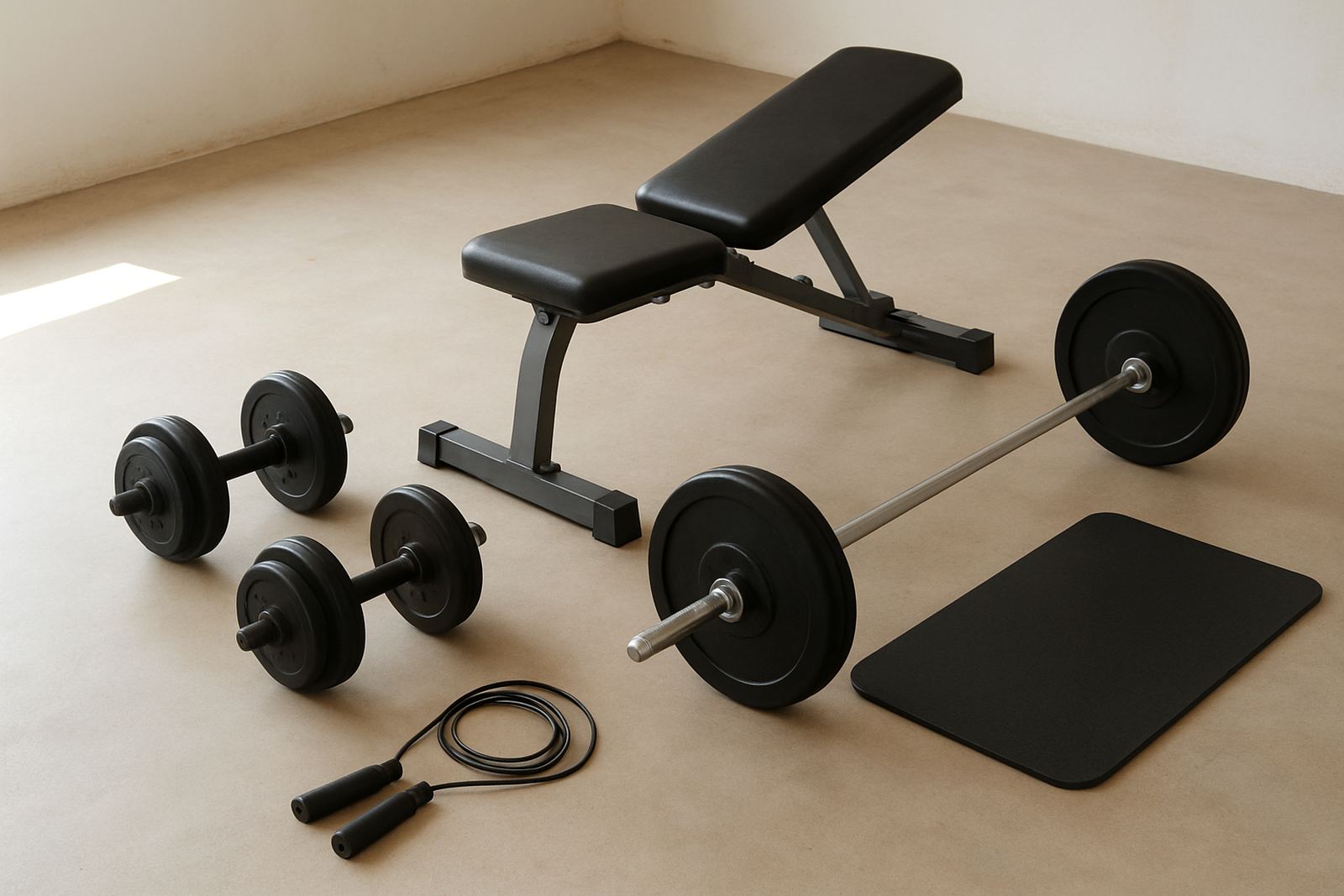
- Strength focus: dumbbells, bench, flooring tiles
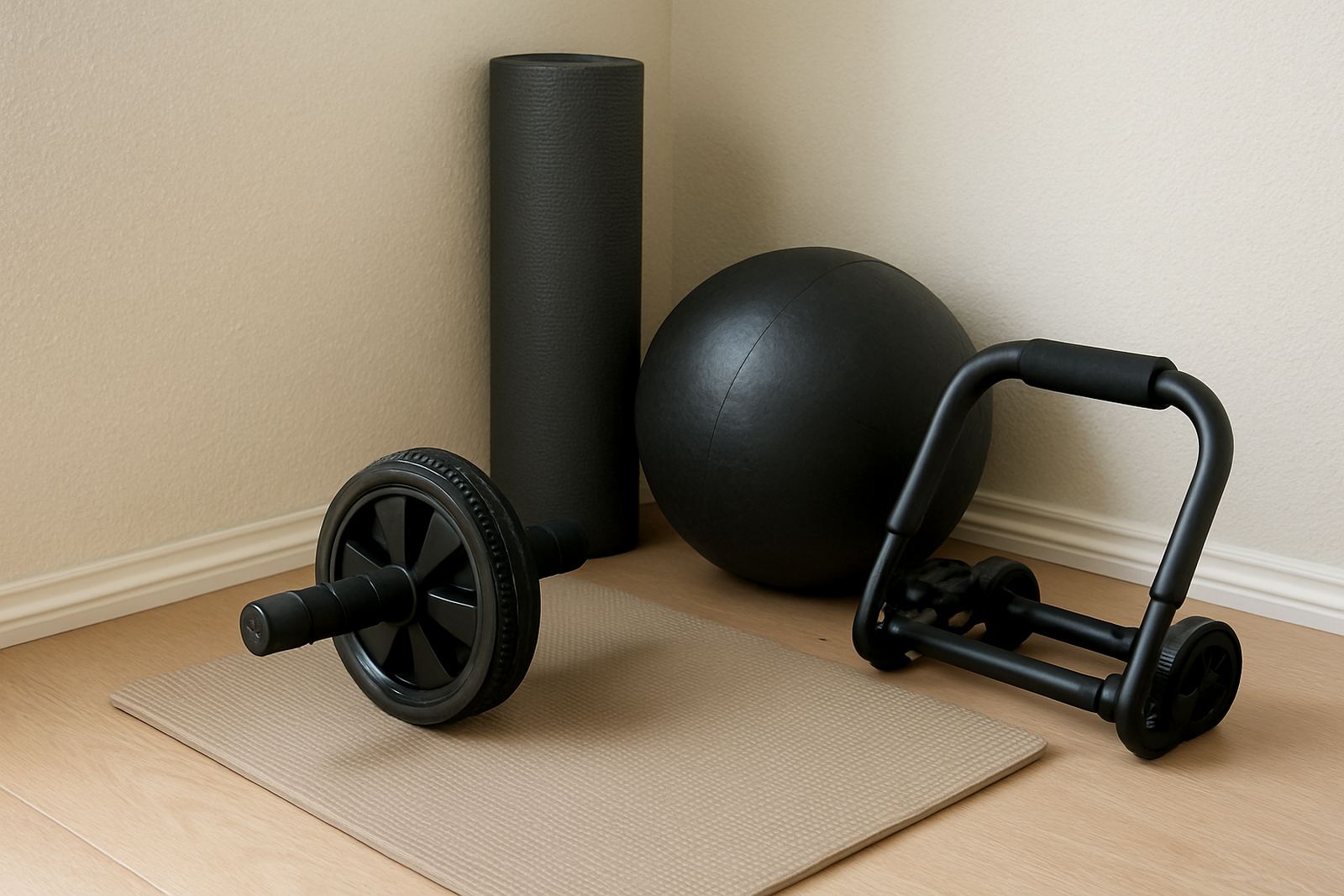
- Mobility focus: roller, mat, stretch bands, light weights
Spend first on items that get used every week
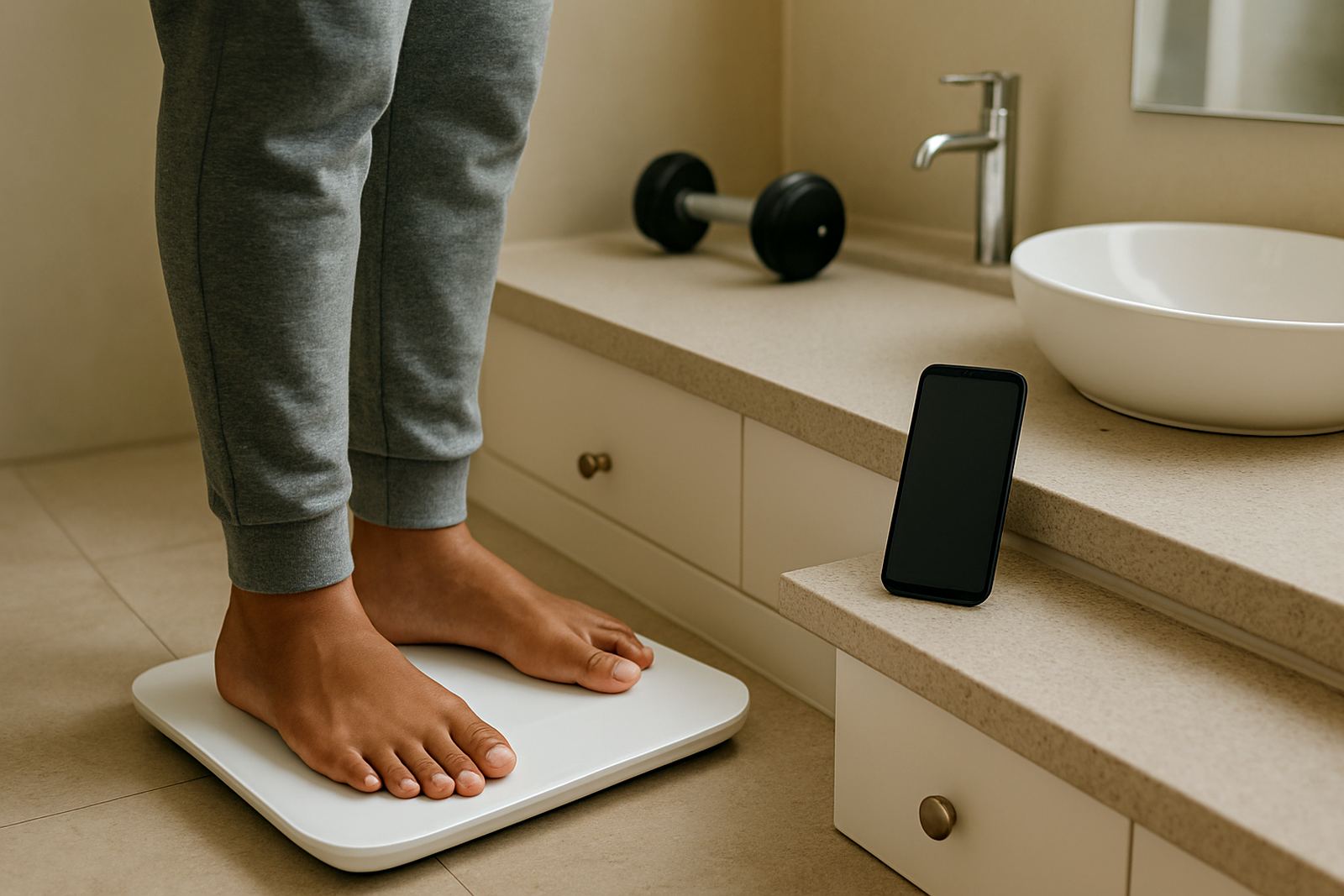
Your first rand should go to equipment that supports consistency. That usually means the items you can use five or six times a week with very little setup. A good tracker can help you count steps, watch heart rate and keep you honest with your goals. A non-slip mat protects floors and makes bodyweight sessions more comfortable. A pair of adjustable weights can replace several fixed sets and save space in a spare room or garage.
Try to avoid starting with a big machine if your budget is tight. Many people buy one because it looks complete, then stop using it after a month. A simpler setup often gives better results because it is easier to begin when load-shedding, work, or traffic has already made the day feel long.
A practical starter order is often:
- Tracker or stopwatch for daily movement
- Mat for floor work and stretching
- Resistance bands or skipping rope
- Adjustable weights or kettlebell set
- Bench or step only if you still have budget left
Budget for setup, storage and safety, not only the gear
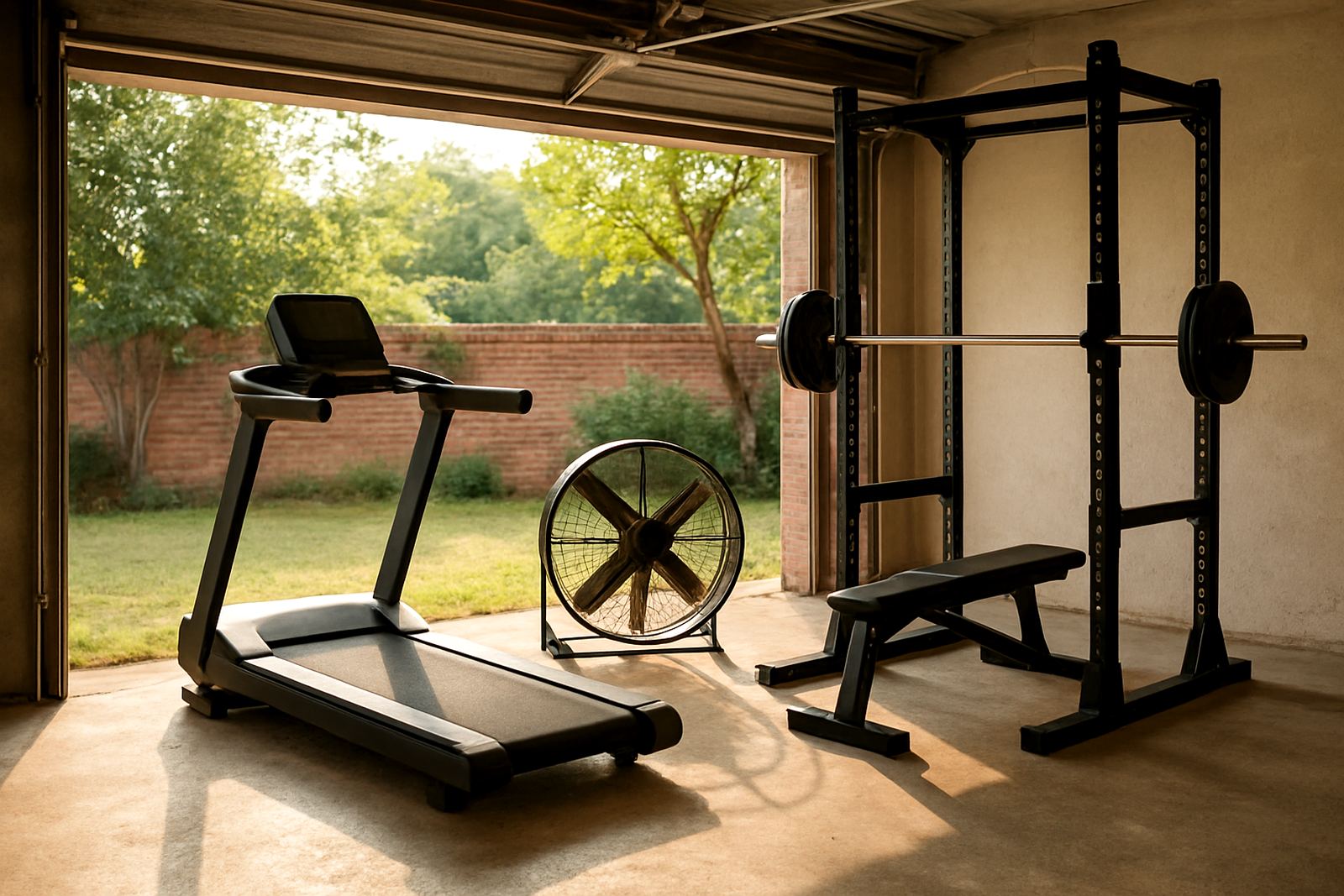
Home training works better when the space is set up properly. In a garage in Roodepoort or a spare room in Midrand, you may need rubber flooring, a simple storage rack, or a box for small items so they do not get damaged. Good storage also keeps the area neat and makes it easier to stay consistent.
Safety matters too. If children or visitors use the same space, keep heavy items low and stable. Check weight limits on benches and mounting points, especially if you are planning pull-up bars or wall fixed gear. For apartments and sectional title homes, confirm building rules before drilling into walls or making noise early in the morning. Small details can save you a fine or a neighbour complaint.
- Floor protection for weights and cardio work
- Dry storage for trackers and electronic gear
- Space for movement, not just equipment placement
- Clear walkways if the room is shared
Use coaching and planning to avoid wasteful purchases
Many people overspend because they buy before they have a plan. A starter programme or home gym planning session can help you match the equipment to your goal, whether that is strength, fat loss, mobility or family fitness. That is often cheaper than buying the wrong thing and replacing it later.
If you are based in Fourways, Sandton, Midrand, Randburg, Roodepoort or Pretoria East, it also helps to choose items that can be delivered and assembled without extra hassle. When you know how the equipment will be used, it becomes easier to decide whether you need trackers, weights, or just a focused set of basics. A short check-in every few weeks can keep the budget on track and stop unused items from piling up.
For first-time buyers, a simple structure works well:
- Goal first, then equipment
- Short list of items that suit your routine
- Delivery and setup planned before payment
A simple Fourways example of spending wisely
Take a family in Fourways with a spare room and a budget of R7,500. They want morning workouts before school runs and work calls. Instead of buying one large machine, they split the spend across a mat, adjustable dumbbells, a set of bands, a basic tracker and a small storage rack. They also leave room for delivery and a coaching session to help them use the space well.
That setup gives them strength work, cardio options and mobility training without crowding the room. It also leaves space for two people to train at different times of the day. The result is not a showroom setup, but it is practical and gets used. That is the real test of a first home gym budget.
If you are planning your own setup, start with the routine you can repeat. The best equipment is the kit that fits your space, your budget and your weekly habits.