
Start with a flat floor and a fixed spot
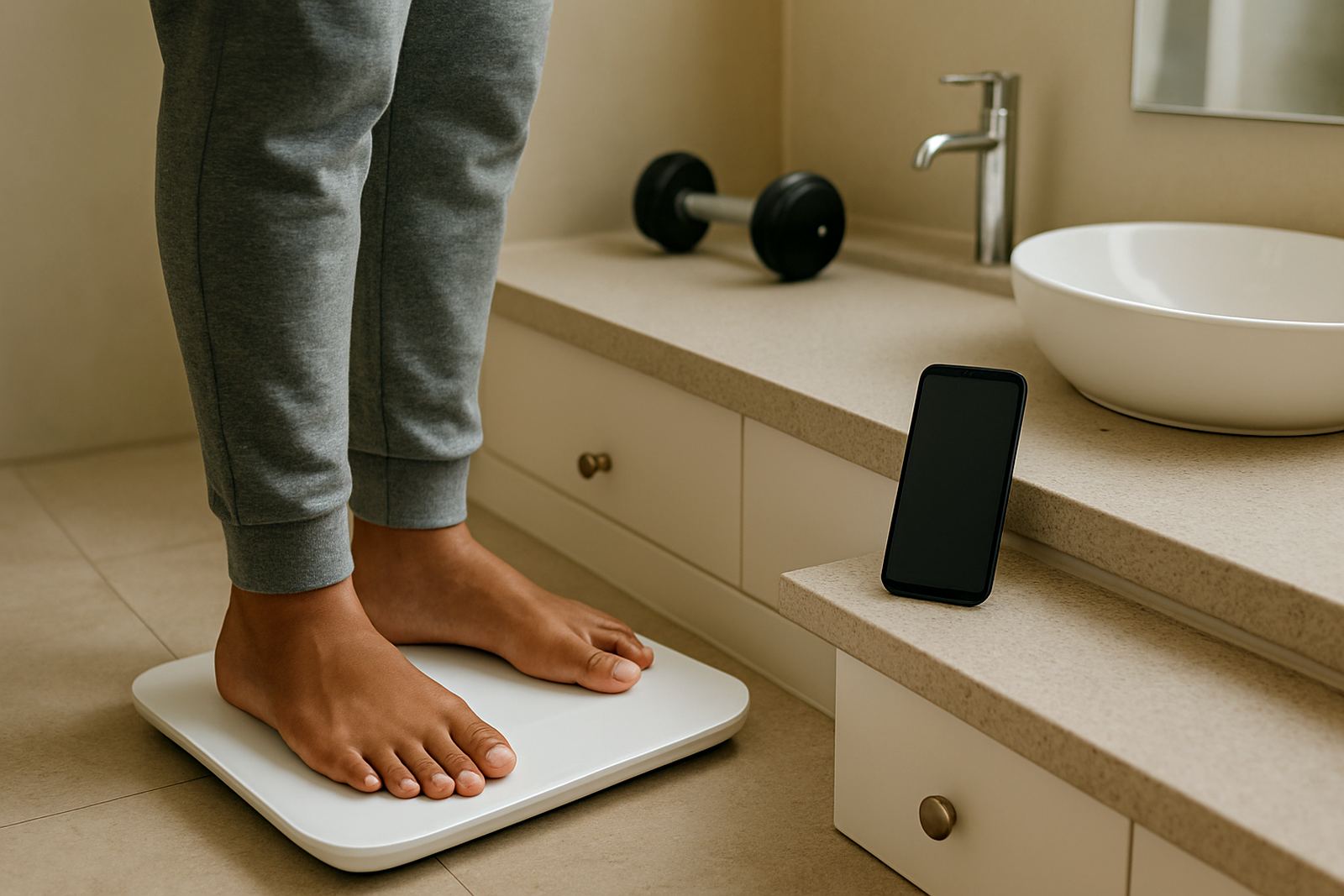
The first step is simple: put the scale on a hard, level surface. Tiles, sealed concrete and smooth laminate usually work best. Thick mats, uneven grout lines and soft rugs can throw off readings, so choose one spot and leave it there. If you move the scale from the bedroom to the bathroom, or from upstairs to downstairs, the results may change even when your body has not.
In many Johannesburg homes, especially in Fourways, Sandton and Randburg, bedrooms often have carpet and bathrooms have tiles. That means the bathroom is usually the better option. Keep it away from skirting edges, loose bath mats and door frames. If the floor has a slight slope, shift the scale until both feet sit evenly and the display gives the same result each time. It sounds small, but consistency matters more than people think.
- Use the same surface every time
- Keep the scale away from vibration and movement
- Place it where you can step on it barefoot and safely
Set up the app before you track your first reading
Most smart scales work best when the user profile is entered properly. Add your age, height, sex and profile name exactly as requested. If the profile is wrong, the body composition estimates may not line up with your real progress. This is especially important when more than one person uses the same scale at home.
Before the first measurement, pair the scale to your phone and check that the app is syncing data in real time. Switch on your phone’s Bluetooth and allow the app to save the reading. If the reading appears on the scale but not in the app, recheck permissions and make sure no one else nearby is connected at the same time. In a busy household in Midrand or Pretoria East, that kind of mix up can happen more often than you think.
- Create one profile per person
- Confirm height and age before saving
- Test one reading and check that it reaches the app
Weigh at the same time each day
Body weight shifts through the day because of food, fluids, training and even heat. For the clearest trend, step on the scale in the morning after using the toilet and before breakfast. That gives you the cleanest comparison from one day to the next. Evening readings can be useful too, but only if you use them for the same purpose each time.
Do not panic if one reading is up by 0.8 kg after a braai, a salty supper or a long drive from Roodepoort. That is normal and does not mean you gained body fat overnight. Look at the weekly pattern instead of chasing one number. If your goal is fat loss, strength gain or general fitness, the trend over 2 to 4 weeks is far more useful than a single day result.
For people in coastal areas deliverying to the East Rand or inland after a hot day, hydration can also affect body composition estimates. Drink normally, but try not to weigh yourself right after a long training session or a big bottle of water. The scale is a tool, not a judgement.
Use the extra readings with caution, not as gospel
Smart scales can estimate body fat, muscle mass, water percentage and sometimes bone mass. These numbers are helpful for tracking direction, but they are not medical measurements. Treat them as indicators. What matters most is whether the figures change steadily in the right direction over time.
If your weight stays the same but your waist is smaller and your training feels easier, that can still be progress. Likewise, a higher body fat reading after one bad weekend does not mean your plan has failed. Check your readings against real life: how your clothes fit, how far you can walk, how many reps you can complete, and whether you are recovering well after exercise.
- Track weight weekly, not only daily
- Watch for trends in body fat and muscle mass
- Compare the numbers with how you feel and perform
Keep the batteries, feet and surface clean
Low batteries can cause unreliable readings or slow syncing. Replace them as soon as the screen dims or the app starts missing measurements. If your scale uses a charging cable, keep it charged before long breaks in use, especially during load shedding when routines can shift around. A flat battery at 6 am is never helpful.
Clean the glass or top surface with a dry or slightly damp cloth. Do not use harsh chemicals or too much water. Dust, sweat and bathroom moisture can build up on the foot pads and affect contact. In homes with coastal humidity, or even in a steamy bathroom after a shower, wipe the unit down and let it dry before storage. Check that your feet are clean and dry too, because that improves contact and gives steadier results.
- Replace batteries before they fail
- Wipe the scale after use
- Store it dry and upright if you need to move it
Build a simple routine that matches your training plan
The best smart scale setup is the one you can stick to. Use the same time, the same surface and the same profile, then review your readings once a week. If you are starting a starter programme, strength programme or weight loss coaching plan, the scale should support the plan, not distract from it. Less is often better.
For a Fourways family, that might mean one shared scale in the bathroom, each person having their own profile and a Sunday morning check in after breakfast. For someone working from home in Sandton or Midrand, it could mean a quick weigh-in before the school run, then a look at the app every Friday. If you are training for better mobility or cardio fitness, use the scale alongside your workouts, step counts and sleep notes. Over time the pattern becomes clear and useful.
When the numbers stop making sense, reset the basics first: same spot, same time, same person, same app. That simple check solves many problems without guesswork or stress.