

Keep a simple plan for the next outage
When the lights go off, it helps to know exactly what you will do instead of wasting 15 minutes deciding. A short plan keeps training consistent, especially if your evenings are already busy with school runs, traffic and supper prep. In Fourways, many households get hit by an outage right in the middle of the dinner hour, so a no-fuss backup routine makes a real difference.
Start with a 20 to 30 minute session you can repeat without thinking. Think bodyweight squats, push-ups against a wall or counter, lunges, plank holds and brisk marching in place. If you have 2 to 5 kg dumbbells, a resistance band or a yoga mat, even better. The goal is not to match a full gym session, it is to stay active and keep the habit alive.
- Choose 5 moves you can do in any room
- Set a timer for work and rest intervals
- Keep a bottle of water and a small towel nearby
- Train in daylight when possible to save phone battery
It also helps to write the plan on paper. If your phone battery is low or your data is off, you will still have the session right there on the fridge or notice board.
Best exercises when the power goes off
Power interruptions are a good time to use your own body weight. You do not need music, a screen or a treadmill to get your heart rate up. You only need enough space to move safely and a floor that is not slippery.
For beginners, a circuit of squat-to-chair, incline push-ups, glute bridges and mountain climbers works well. More experienced exercisers can add split squats, burpees, push-up holds and skater steps. If you want low impact work, try fast stepping, shadow boxing, calf raises and wall sits.
- Low impact: marching, step-touches, wall sits, glute bridges
- Strength focus: squats, lunges, push-ups, rows with bands
- Cardio focus: burpees, fast feet, shadow boxing, high knees
- Mobility focus: hip openers, thoracic rotations, ankle work, stretching
If you are training with family, keep the session simple enough for everyone to join. A family routine in Midrand or Randburg might include a 5 minute warm-up, 3 rounds of exercises and a stretch at the end. That way nobody is standing around, and the kids can burn some energy too.
Choose equipment that works without electricity
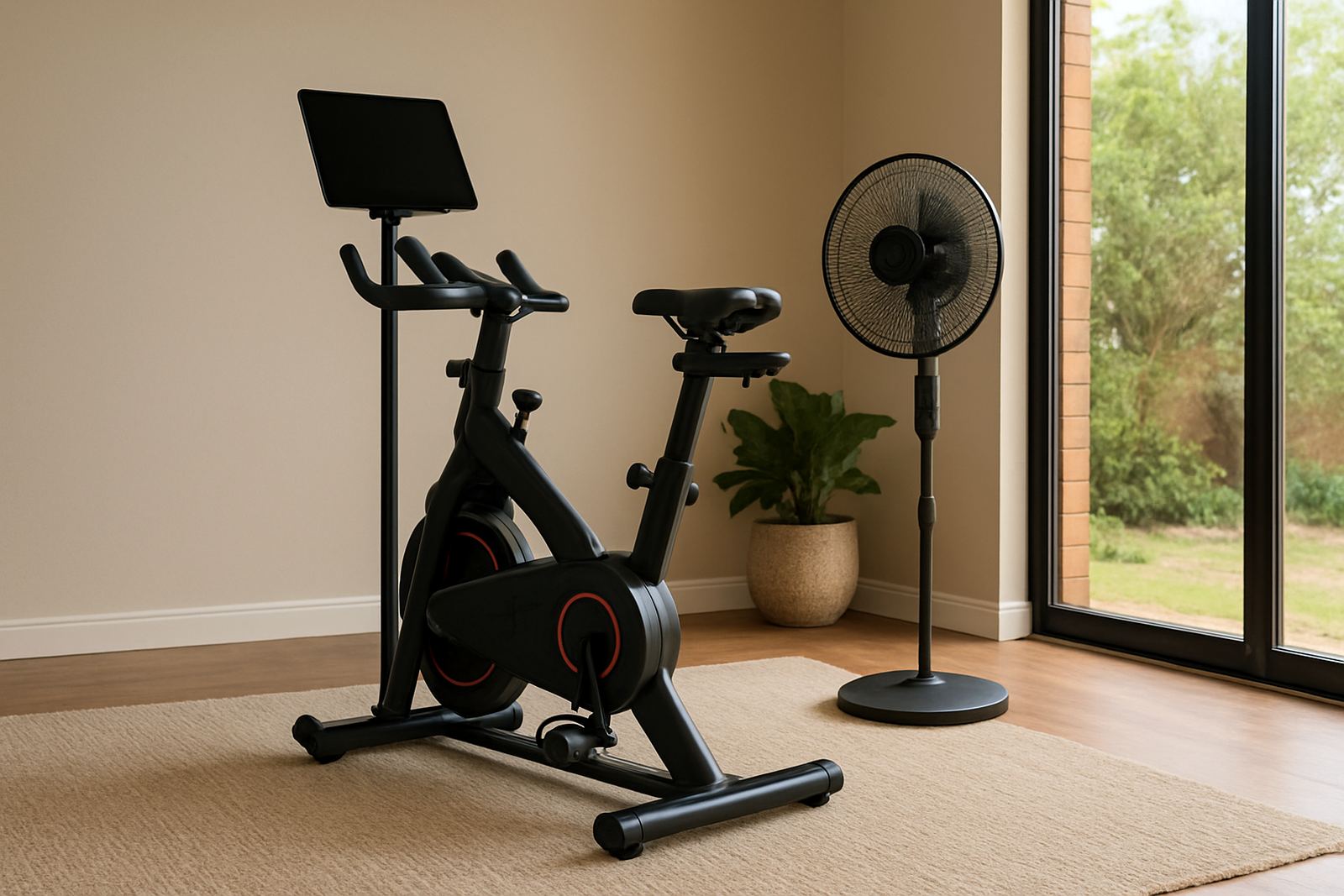
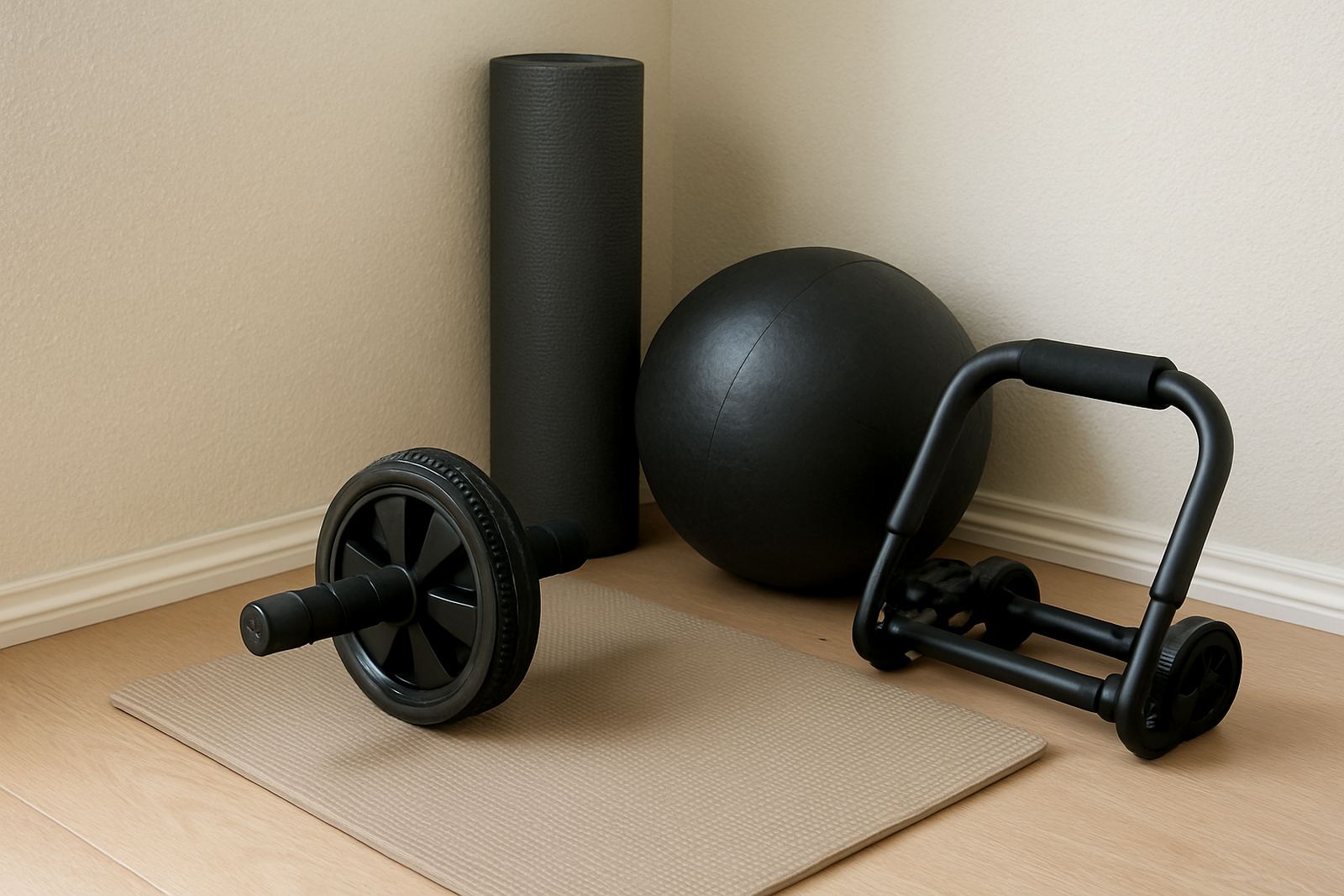
The best home training equipment during load shedding is gear that does not need charging, syncing or a wall socket. Free weights, mats, bands, skipping ropes and kettlebells are the easiest place to start. They are compact, they store well in small spaces and they still work when the power is out for two hours or more.
If space is tight, focus on fold-away or single-piece items. A mat protects knees and elbows on tiled floors, especially in winter when concrete gets cold. Resistance bands are useful for rows, presses and glute work, and they fit into a drawer. A single kettlebell can cover swings, deadlifts, squats and carries, so you do not need a full room of equipment to train properly.
For homes in Pretoria East or Roodepoort where storage may be limited, a modest setup can still do a lot. One mat, one set of bands and a pair of adjustable dumbbells is enough for strength, cardio and mobility work. If you live near the coast or have a damp garage, wipe metal handles after use so rust does not creep in.
Use fitness trackers wisely when charging is limited
Smart trackers are helpful on load shedding days, but only if you use them in a practical way. Save battery by lowering screen brightness and keeping unnecessary alerts off. If your tracker is down to 20 percent, it is better to use it for workout timing and step counting than to leave the screen on all afternoon.
You can still get value from your device without obsessing over every number. Heart rate, active minutes, steps and recovery trends are enough for most home sessions. If your normal app sync happens later in the day, note the workout time and type in a small notebook so you do not forget what you did.
- Charge trackers before peak outage times where possible
- Switch off always-on display if the battery drops quickly
- Use vibration alerts instead of repeated screen checks
- Keep a backup paper log for workouts and progress notes
For people doing weight loss coaching or cardio programmes, this helps keep the routine steady even if the phone is on low power. The aim is to make the tracker support the workout, not distract from it.
Build a safer space at home
Training during load shedding should feel straightforward and safe. Check that the floor is dry, the room is well aired and there is enough light from a window, torch or rechargeable lamp. Avoid tight corners with loose rugs, because a missed step on a lung or turn can lead to a sore ankle or a fall.
Keep equipment in one place so you are not hunting for bands or weights when the power cuts. If your home gym shares space with a passage or living room, move side tables and fragile items out of the way before starting. That small bit of prep makes the session smoother and cuts down on interruptions.
If your area gets scheduled cuts that last into the evening, think about temperature too. Johannesburg winters can make a garage or spare room chilly, so start with a longer warm-up and keep a hoodie nearby. In summer, drink water before you begin and keep the windows open if security allows.
A local example that actually fits real life
Take a working parent in Fourways who gets home at 6 pm, only to find the area is off until 8:30 pm. Instead of waiting on the couch, they do a 25 minute session in the lounge: 10 squats, 8 incline push-ups, 12 glute bridges, 20 seconds plank and 30 seconds fast march, repeated 4 times. The kids join for the last round, and everybody is done before supper.
That kind of routine works because it respects the day you have, not the day you wish you had. It is short, repeatable and does not need a lot of gear. If you build from there, you can add a strength programme on non-outage days, then use load shedding sessions for maintenance and mobility.
For some households, the best solution is mixing methods. One day might be strength work with dumbbells, another day mobility after school pickup, and another day a tracker-guided walk once the power returns. The point is to keep movement regular so a cut does not turn into a full week off.