
Start with the real evening problem: time and energy
Most people do not skip cardio because they dislike exercise. They skip it because 6pm arrives with traffic, work messages, family duties and very little energy left. That is why evening cardio should be simple enough to start quickly, yet structured enough to count.
The best approach is to decide in advance what your after-hours session is for. If you want better fitness, a sharper mind after work or support with weight loss, you do not need a long training block every night. In Fourways and Sandton, where many people get home late from the N1, a 20 to 30 minute session can be the difference between doing nothing and keeping a good routine.
Keep your target clear. Some evenings call for steady work, other nights only allow a short burst. That is fine. The aim is consistency, not perfection.
Pick cardio that suits your house, not someone else’s routine
Home cardio works best when the exercise fits the space you actually have. A small spare room, garage or lounge corner can still support a solid session. You do not need loud, space-hungry equipment to get moving after hours.
If noise is a concern, especially in townhouse complexes around Midrand or Randburg, choose lower-impact options that keep the neighbours happy. If you live in a flat in Pretoria East or a house with small children asleep, that matters just as much as calorie burn.
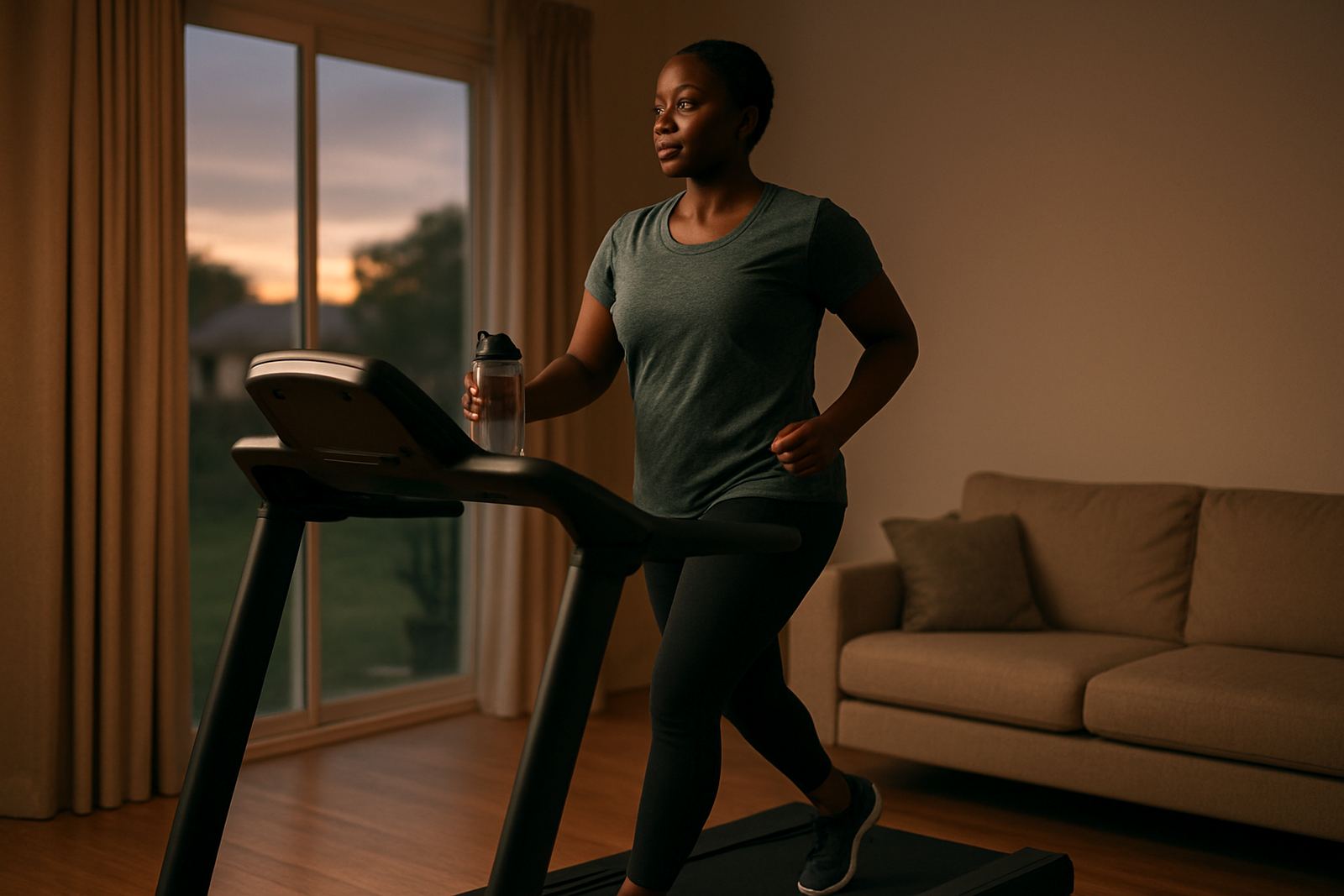
- Brisk treadmill walking with a slight incline
- Stationary cycling for steady evening sessions
- Short interval bodyweight circuits
- Marching, step work or low-impact foot drills
- Skipping only if the floor and neighbours allow it
For coastal humidity or winter indoor training is not the issue, but in Gauteng evenings can be dry and cold, so a warm-up matters before you get into any pace work.
Use a 3-part evening structure so you do not overthink it
The easiest plan is one you can repeat without checking a long programme each day. A 3-part structure keeps the session short and useful:
- 5 minutes to warm up at a gentle pace
- 10 to 20 minutes of the main cardio effort
- 3 to 5 minutes to slow down and recover
This works for beginners and more experienced users. If you are new to exercise, keep the middle block at a talkable pace. If you are already fit, use intervals such as 1 minute harder and 2 minutes easier. The key is to avoid jumping straight into a hard session after sitting in traffic and eating too close to training.
For people doing a Weight Loss Coaching or Cardio Programme, a repeatable structure also makes it easier to track progress week to week. You can compare how long you lasted, how your breathing improved and whether recovery is getting quicker.
Feed the session properly so your energy does not crash
Evening cardio goes better when you manage food and hydration during the afternoon. If you wait until you are very hungry, the session often feels harder than it should. On the other hand, a heavy meal right before exercise can leave you sluggish and uncomfortable.
A practical approach is to have a light snack 60 to 90 minutes before training if needed. That could be yoghurt, a banana, a slice of toast or a small sandwich. Drink water through the day as well, especially in summer when Johannesburg heat can still linger after sunset.
- Avoid training straight after a large dinner
- Keep water nearby before and after your workout
- Leave enough time for a proper cool down
- If you feel flat, reduce the pace rather than forcing it
If your goal is performance, pay attention to how your body responds on different evenings. A session after a light meal will feel different from one after a long day without food. Small adjustments make the routine more sustainable.
Use smart tracking, but do not let the numbers run the session
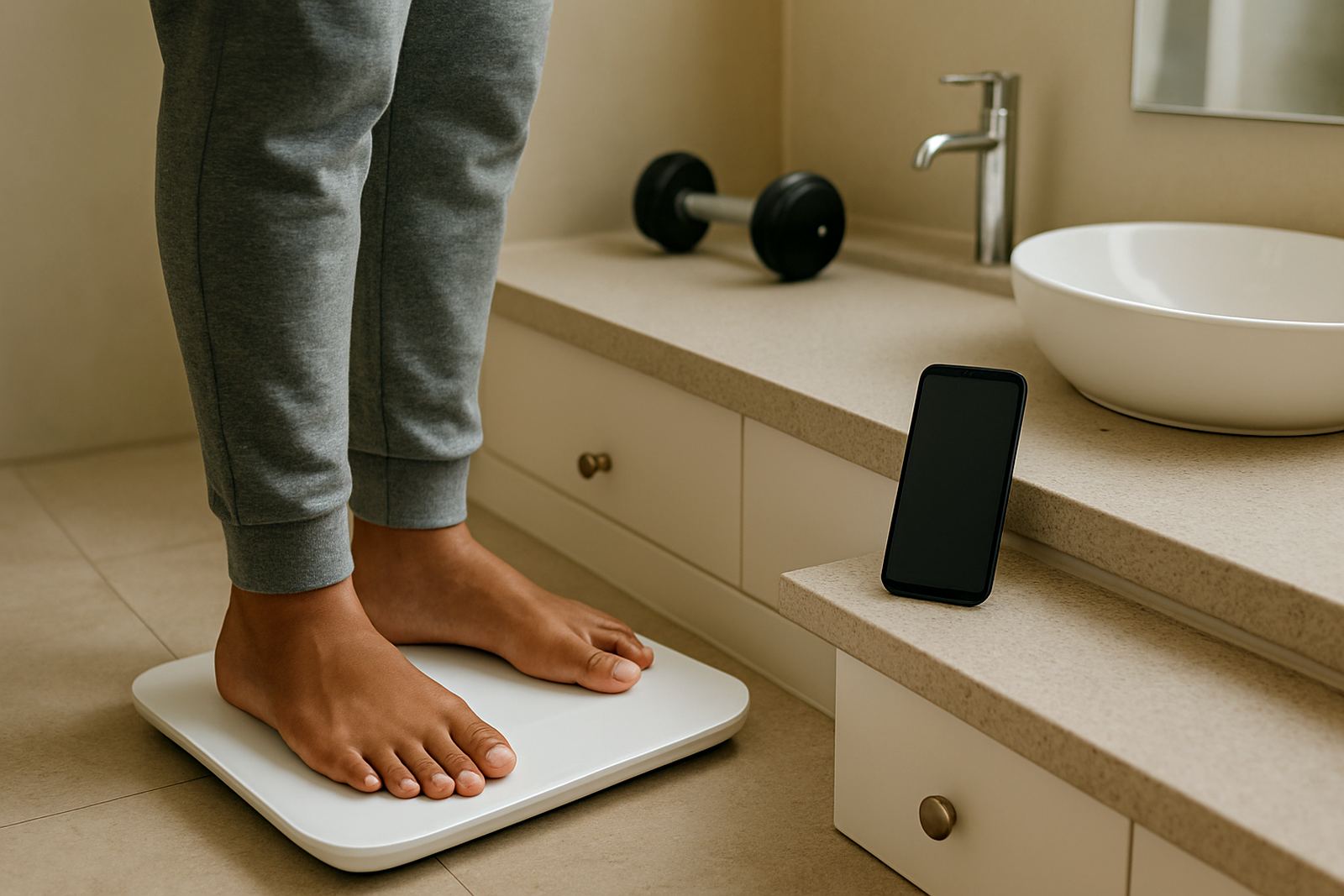
A fitness tracker can be helpful in the evening because it gives you a simple read on effort, time and recovery. Heart rate, steps and active minutes can show whether you are working hard enough without needing to guess. That is useful when you are training at home and the day has already been full of decision-making.
Still, the numbers should support the workout, not control it. If your tracker says you are a little below target but your legs are tired, stay sensible. If it says you are recovering well, that may be the right time to push a bit more.
For households doing Family Fitness Plans, trackers can also help different family members train at their own level. One person might walk on a treadmill while another does a bike session, and both can finish with useful data.
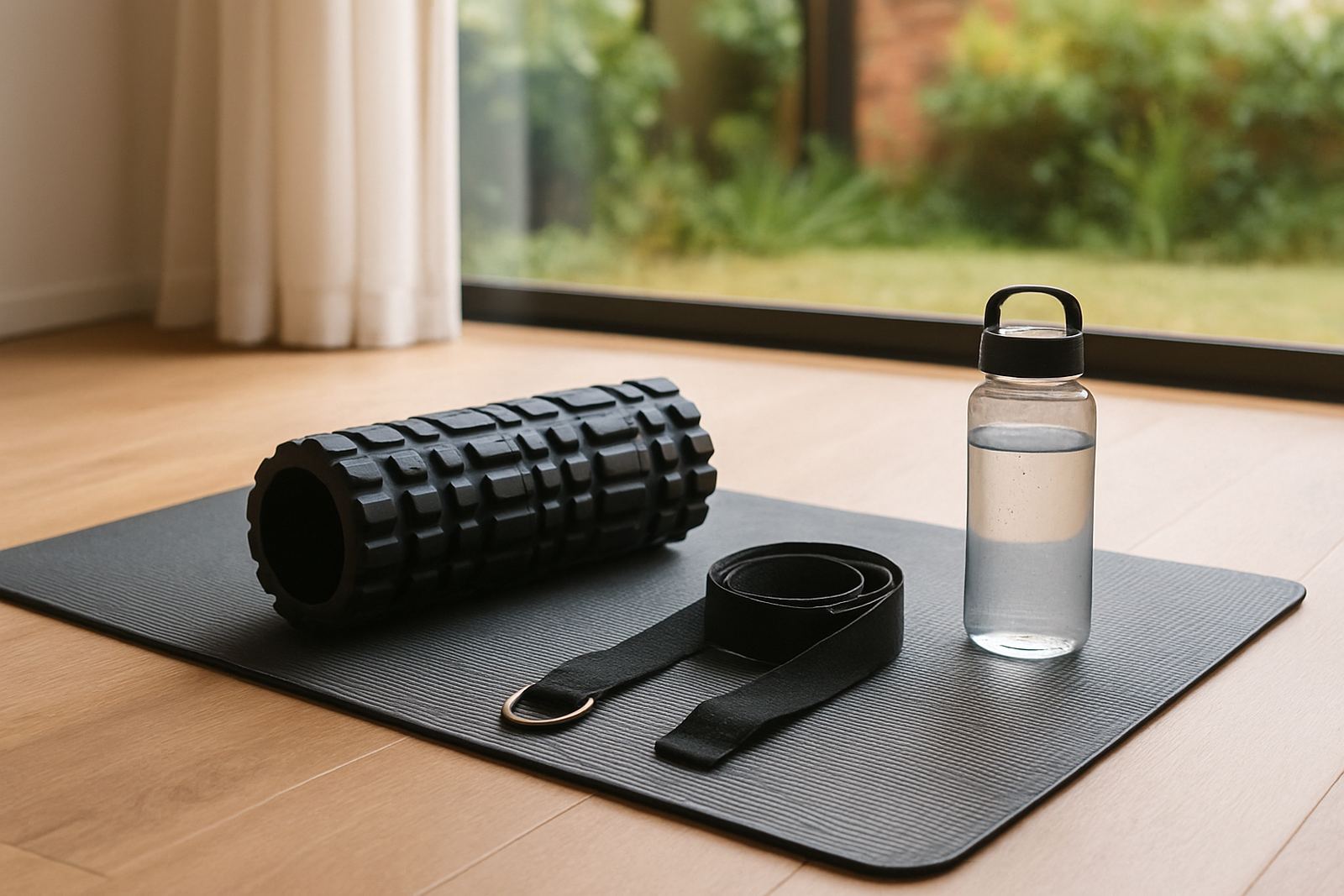
Load-shedding can affect evening rhythm too, so it helps to have a plan that still works if your normal setup is interrupted. A mat, timer and tracker are often enough for a backup session when power cuts shift your routine.
Keep the session friendly to sleep, not against it
Evening cardio should help you unwind, not leave you wired until midnight. That means choosing the right intensity and allowing enough time between training and bed. Many people find that finishing 2 to 3 hours before sleep is a good starting point, though this varies from person to person.
Lower-impact cardio is usually easier to recover from at night. If you prefer intervals, keep them short and avoid turning every session into a race. A hard workout at 8pm followed by screens, snacks and stress is not the same as a controlled session that ends with a shower and quiet time.
Listen to a few practical signs:
- If sleep becomes lighter, reduce the intensity
- If your heart rate stays high for too long, extend the cool down
- If you feel alert but calm after training, the timing is probably right
- If you skip often because the session feels too big, shorten it first
A calm finish makes evening cardio easier to repeat the next day. That is what keeps results moving over weeks, not just one good session.
A simple Fourways example you can actually copy
Take a working parent in Fourways who gets home after 6pm, has school homework to help with and cannot spare an hour. Instead of trying to force a big workout, they set aside 25 minutes after supper prep. They walk on a treadmill for 5 minutes, then do 15 minutes of intervals at a strong but manageable pace, then cool down for 5 minutes. On busier nights, they cut the main block to 10 minutes and still keep the habit alive.
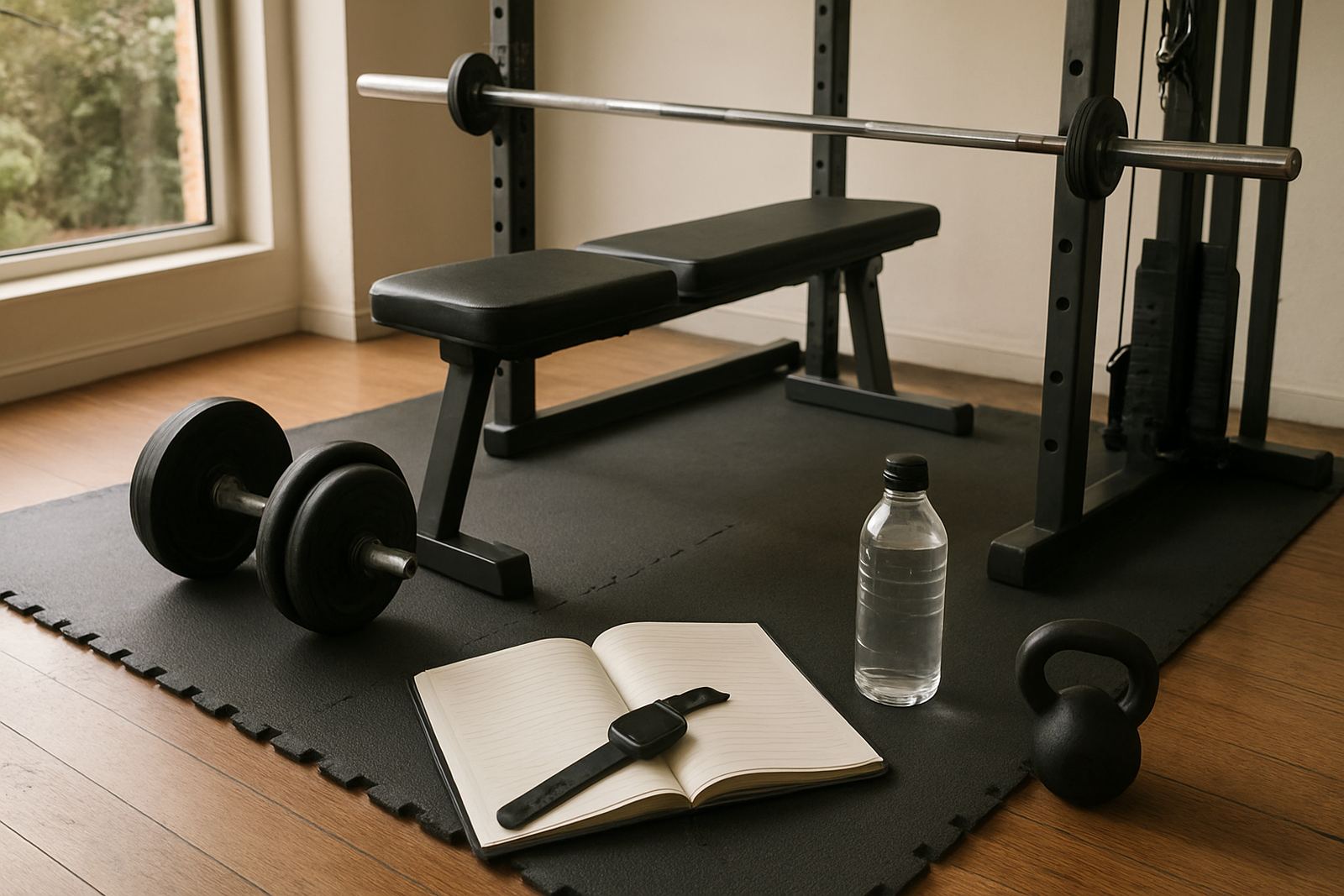
That kind of plan works because it respects real life. It also fits neatly with home training equipment and tracker data that show progress over time. If you are planning a starter setup, a cardio routine, or a family-friendly training space, keep the focus on what you can repeat after a long day, not on what looks ideal on paper.
Evening cardio should leave you feeling capable, not drained. When the plan is practical, the results tend to last.