
Start with your energy, not the clock
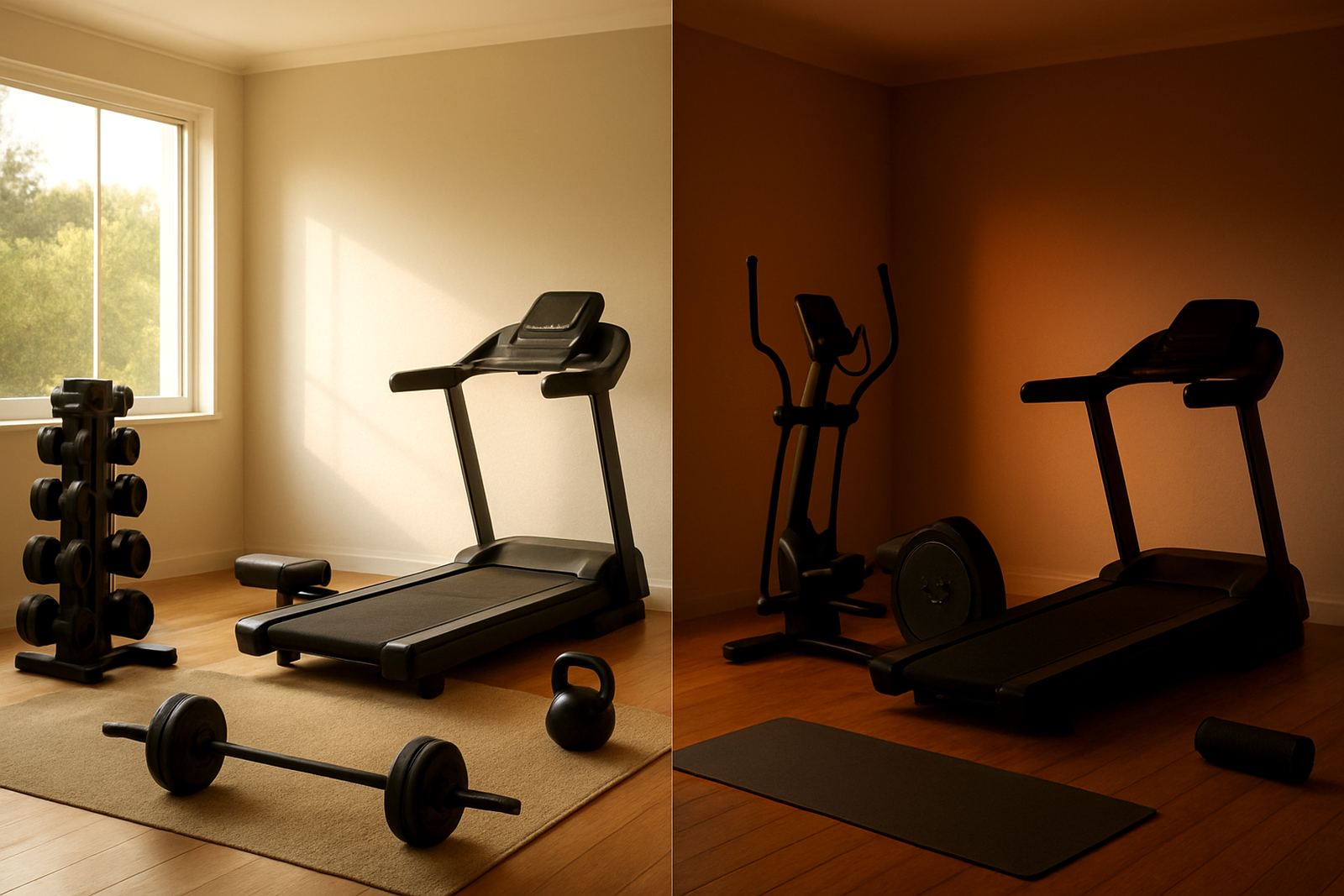
Some people feel strongest just after waking up. Others only start to move properly after lunch, and many find their best effort comes in the evening once the day’s pressure has passed. That is why there is no single perfect hour for training. The right time is the one that matches your body, your work pattern, and your home routine.
If you are choosing between two options, test both for a week each. Keep the workout type the same and note when you feel most alert, when your form stays cleaner, and when you are least likely to skip the session. A good workout time should feel repeatable, not forced.
In Johannesburg, a lot also depends on traffic, school runs and load-shedding. A session that looks ideal on paper may fail if it clashes with Eskom schedules, a client call, or the Fourways school rush. Energy matters, but so does what your day is actually doing.
Morning training suits people who need structure
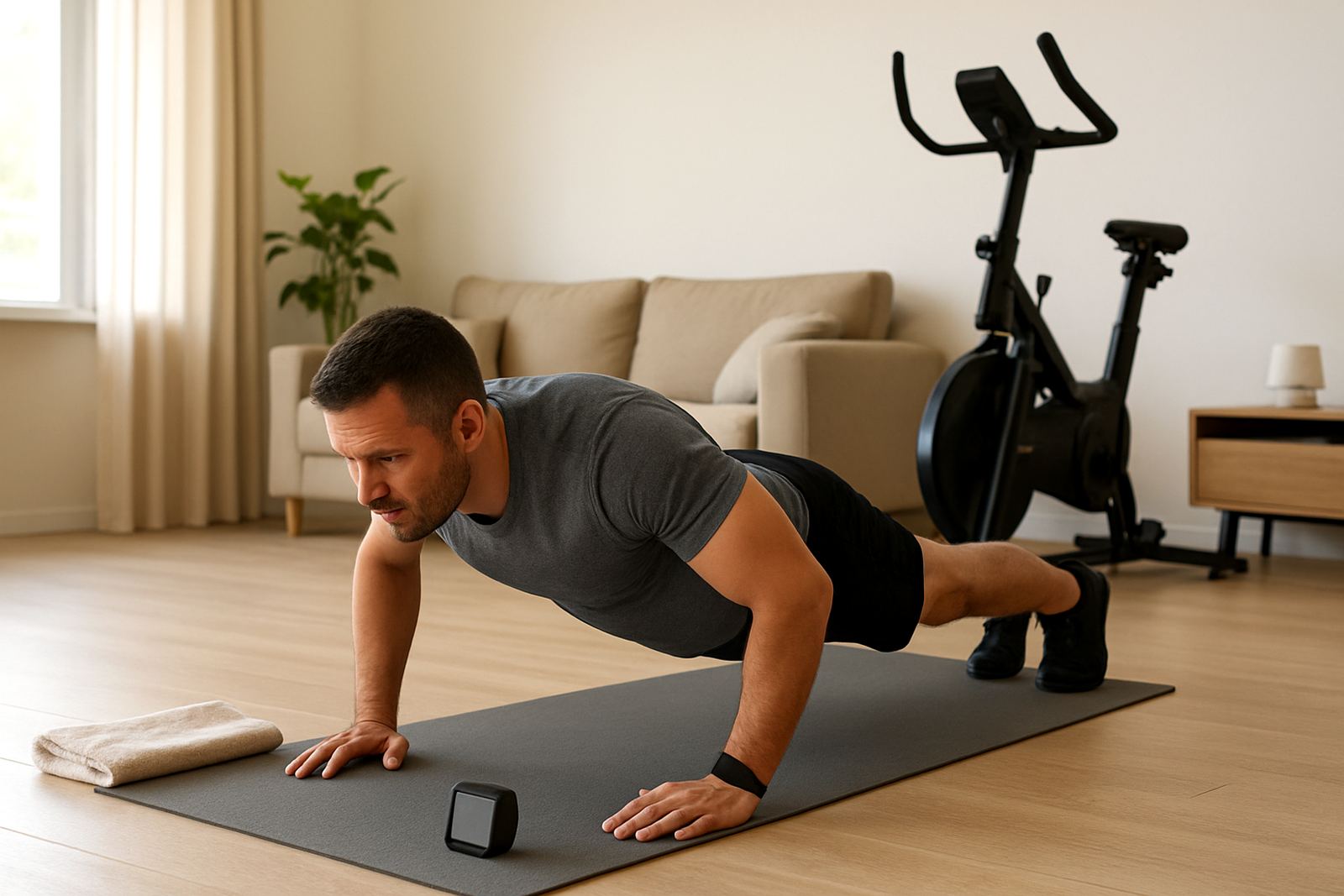
Early training works well for people who want the session done before messages, meetings and family demands start building up. It can help you stay consistent because fewer things can interrupt you. For many, it also improves discipline, because you do not spend the whole day negotiating with yourself.
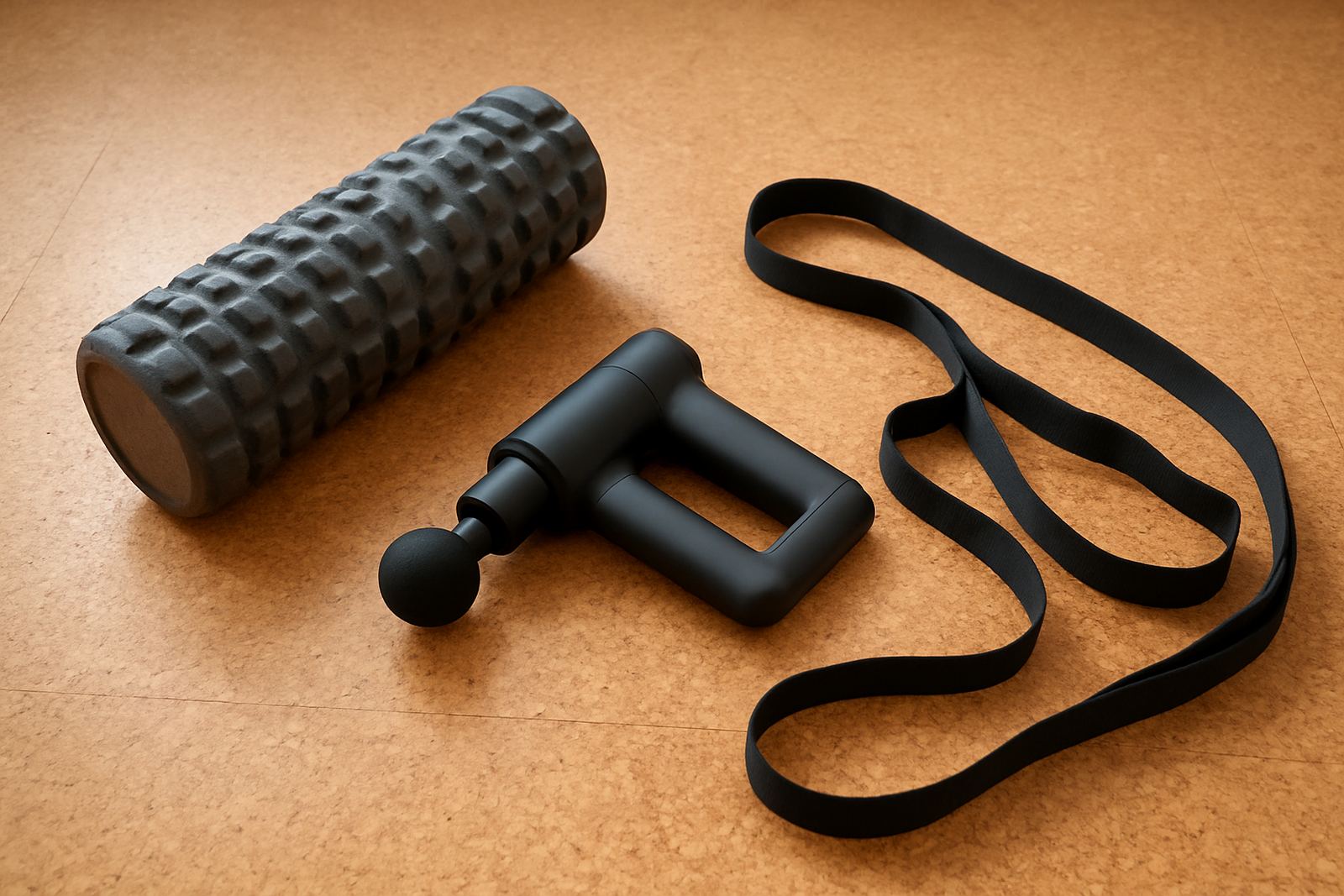
Morning workouts are often easier for cardio, mobility and lighter strength sessions. If you train at home before the day gets busy, it helps to keep the equipment set out and ready. That could mean a mat, resistance bands, dumbbells, or a smart tracker already charged and synced. If you have to assemble a lot before every session, the routine becomes harder to keep.
- Best for people with packed afternoons
- Useful if you prefer a quiet house
- Can help set the tone for the day
- Good for walking, cycling, mobility and basic strength work
Do remember that some people are stiff in the morning. A proper warm-up matters more then, especially if you have been sleeping in a cold room or the humidity is high near the coast and your body feels sluggish. Take an extra 5 to 10 minutes and do not jump straight into heavy lifts.
Midday sessions work if your job allows a break
Midday training is often overlooked, but it can be a solid choice for people working from home, shift workers or anyone with a flexible lunch break. Your body has usually been awake for several hours, so you may feel warmer and more mobile. That can make strength work feel smoother than a very early session.
The challenge is that midday sessions need planning. You may need to fit in a quick shower, enough water, and a meal that does not leave you too full. If you train in the middle of the day, keep the session efficient. Twenty to 40 minutes can be enough if you stay focused.
- Handy for home workers in Fourways or Midrand
- Good when mornings are rushed and evenings are full
- Works well for structured programmes with set timings
- Best if you can eat and recover properly afterwards
Midday can also suit people who use trackers for progress monitoring. Heart rate data, step counts and workout timing can help you see whether your energy is actually better after lunch rather than just assumed to be. Sometimes the numbers make the choice clearer.
Evening training helps after the day pressure drops
For many South Africans, evening is the easiest time to train because the workday is over and the children’s routines are settled. That is when your mind can finally switch from problem solving to movement. Evening sessions can be especially good for strength work, longer cardio sessions and family fitness plans.
There is one catch. If you train too late, it can affect sleep. Hard exercise just before bed may leave you wired, especially if you are already tired and then push too hard. Try to finish at least a couple of hours before sleep if you can. That is not always possible, but it helps.
In places like Randburg, Roodepoort and Pretoria East, evening traffic can make a short gym trip into a long outing. Home training avoids that and makes after-work sessions far more practical. You do not need to spend 40 minutes driving to do a 30 minute workout.
If your evening energy drops quickly, keep these points in mind:
- Eat a light meal 60 to 90 minutes before training
- Keep water nearby, especially in hot months
- Use a programme with a clear end point
- Avoid starting too late if sleep is already a problem
Match training time to the type of workout
Not every workout fits every time slot. A quick cardio session may be perfect early in the morning, while a heavy strength session might feel better later in the day once your joints are warm. Mobility work is flexible and can be done almost anytime, which makes it useful for busy weeks.
If your goal is weight loss, the best time is the one you can keep doing consistently while supporting your eating and recovery. If your goal is strength, choose the time when your focus is sharpest and you can lift with proper form. For family fitness, the best time may be after supper when everyone can join in without rushing.
- Morning: cardio, walking, mobility, light circuits
- Midday: structured home sessions and short strength work
- Evening: strength programmes, family sessions, longer training blocks
- Any time: tracker-based activity goals and recovery work
You do not need to train every discipline at the same hour. One family might do mobility after school, weights after work, and a walk after supper. That kind of split routine is often more realistic than trying to force one long session into a crowded day.
Use your routine, not motivation, to decide
Motivation is unpredictable. Routine is more reliable. If your training time depends on feeling inspired, you will miss sessions whenever the week becomes difficult, and that is usually when movement would help most. Build around the time you can repeat on an ordinary Tuesday, not only on a perfect Saturday.
A useful method is to look at your week and choose the 3 days when interruptions are lowest. Then protect those slots. Put the workout where it has the least friction, whether that is before the school run in Sandton, over lunch in Fourways, or just after supper in Midrand. Once the habit settles, you can adjust the time by 30 minutes either way if needed.
If you are training at home, setup matters too. Keep your tracker charged, your mat visible, and your equipment in one spot. A messy start can kill the mood quickly. It sounds small but it makes a big difference.
A simple Fourways example that makes the choice easier
Take a working parent in Fourways with a 7:30 meeting, school transport duties and a load-shedding slot in the evening. Morning training may fail because the house is too busy. Late evening training may fail because power cuts and tiredness get in the way. In that case, a 20 to 30 minute lunch session or an early evening walk before supper may be the best option.
The point is not to find the most impressive answer. It is to find the time that fits your actual life. If you can repeat it for three months, it is probably the right choice. If you can only manage it once in a while, it is not the right fit yet.
That is why many people do better when they pick one main training time and one backup time for the week. You keep the main slot when life is normal, and use the backup when traffic, meetings or family needs change the plan. It keeps your progress moving instead of stopping completely.