Start with a time you can actually keep
Consistency usually fails when the workout is treated like a nice idea instead of a fixed part of the day. Pick a time that already has a natural gap in it, such as early morning before traffic builds up, over lunch, or just after work once the children are settled. If you live in Fourways and your mornings are packed with school runs and Sandton traffic, a 20 minute session at 6 am can be easier to protect than a longer one in the evening.
The goal is not to find the perfect slot, it is to choose the slot you can repeat on ordinary Tuesdays. Start with three days a week and keep the start time the same. When a habit has a fixed time and a fixed place, your mind stops negotiating every day.
- Choose one time block and protect it for four weeks.
- Keep the first sessions short, around 15 to 25 minutes.
- If mornings are not realistic, use a lunch break or early evening slot.
- Set a phone reminder 10 minutes before you start.
Make the first five minutes too easy to skip
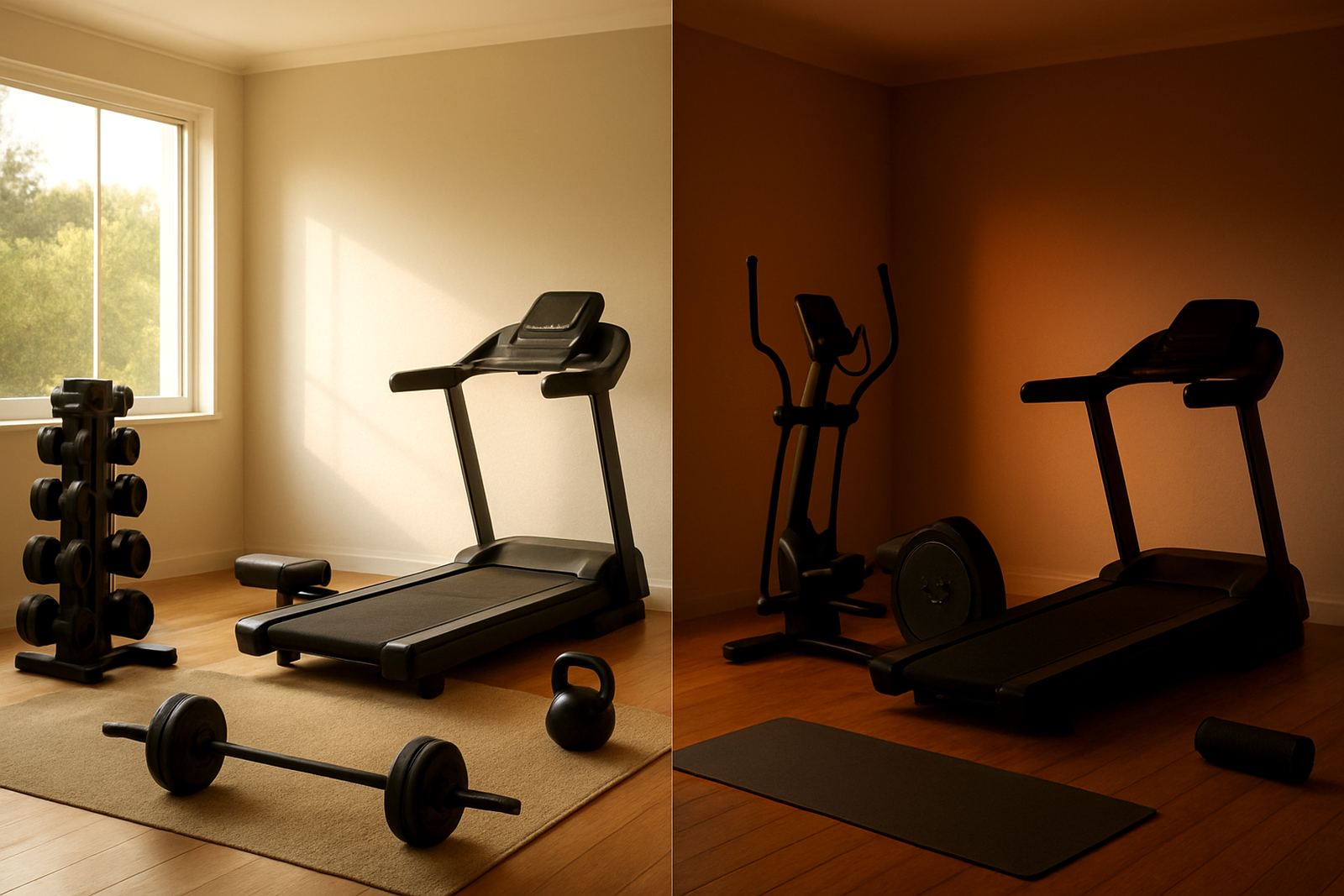
Most people do not fail because the full workout is too hard, they fail because getting started feels too big. If your tracker is charged, your shoes are ready and your mat is open, the first step becomes much simpler. In a Gauteng home where load-shedding can interrupt the day, this matters even more. Keep a basic plan that still works when the power is off, so you can do bodyweight work, stretching or a brisk indoor march without waiting for equipment.
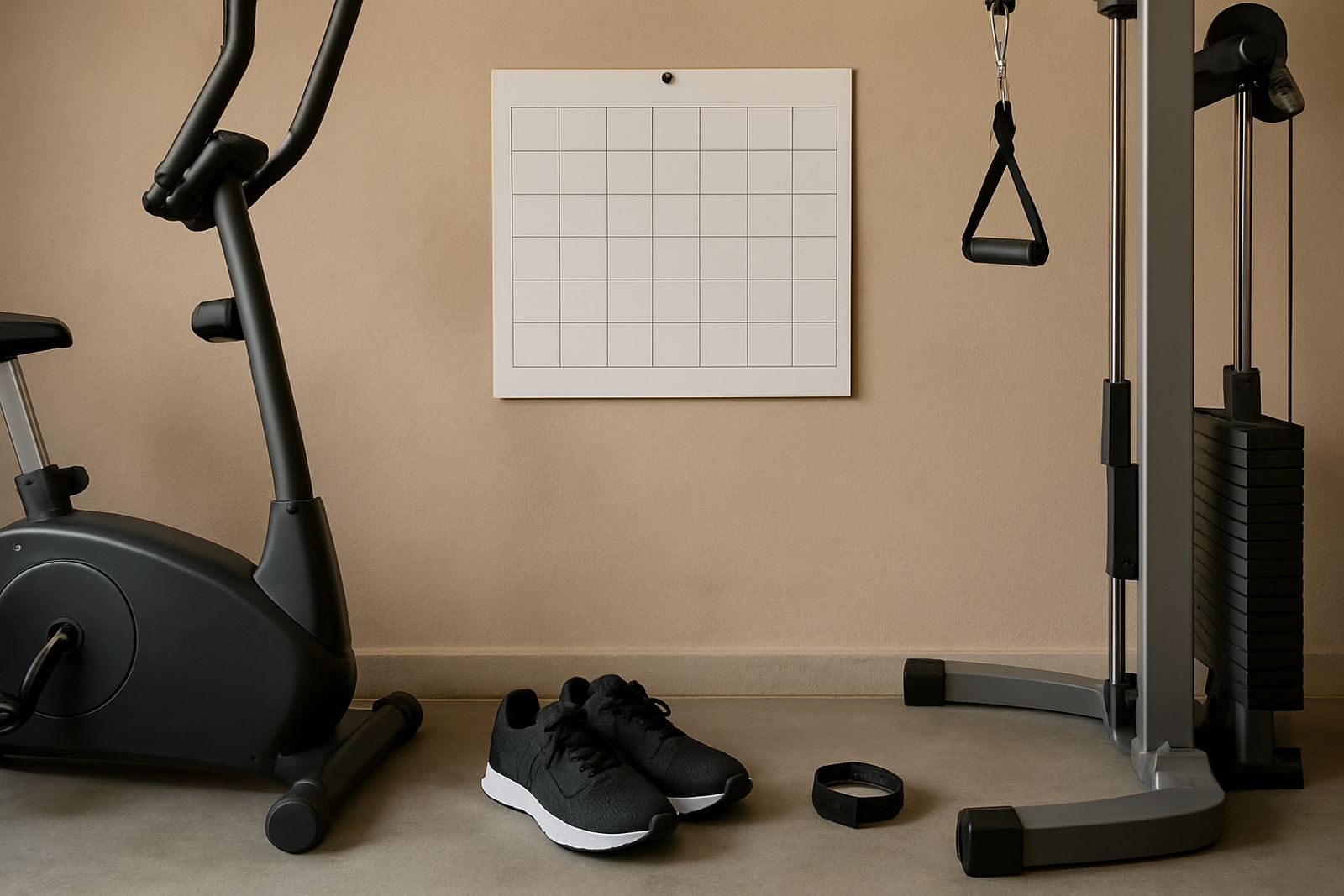
A good rule is to prepare everything the night before. Put the band, water bottle and towel in one place. If you are using connected equipment, check battery levels and sync your tracker after your session, not during the rushed minutes before it starts. When the setup is quick, the excuse list gets shorter.
- Lay out shoes, mat and towel before bed.
- Keep a backup workout for days with no electricity.
- Use a short warm-up that takes less than five minutes.
- Store equipment where you can see it, not packed away in a spare room.
Track the habit, not just the kilos
People often look only at weight or body measurements, but consistency grows faster when you track actions. A fitness tracker can show steps, heart rate, active minutes and sleep patterns, all of which help you understand what is really happening. If your sleep is poor or your daily movement is low, your training will feel harder even when you are trying. That is where simple data is useful, because it shows patterns instead of guesswork.
For home training, choose two or three numbers to watch. Too many metrics become noise. Many clients do well by tracking workout days, average steps and one performance marker such as squats completed or how long they held a plank. Small wins are easier to repeat than dramatic changes.
- Count workout sessions each week.
- Track daily steps or active minutes.
- Watch one performance marker only, such as reps or time.
- Review your progress once a week, not every hour.
Build a home corner that says 'go'
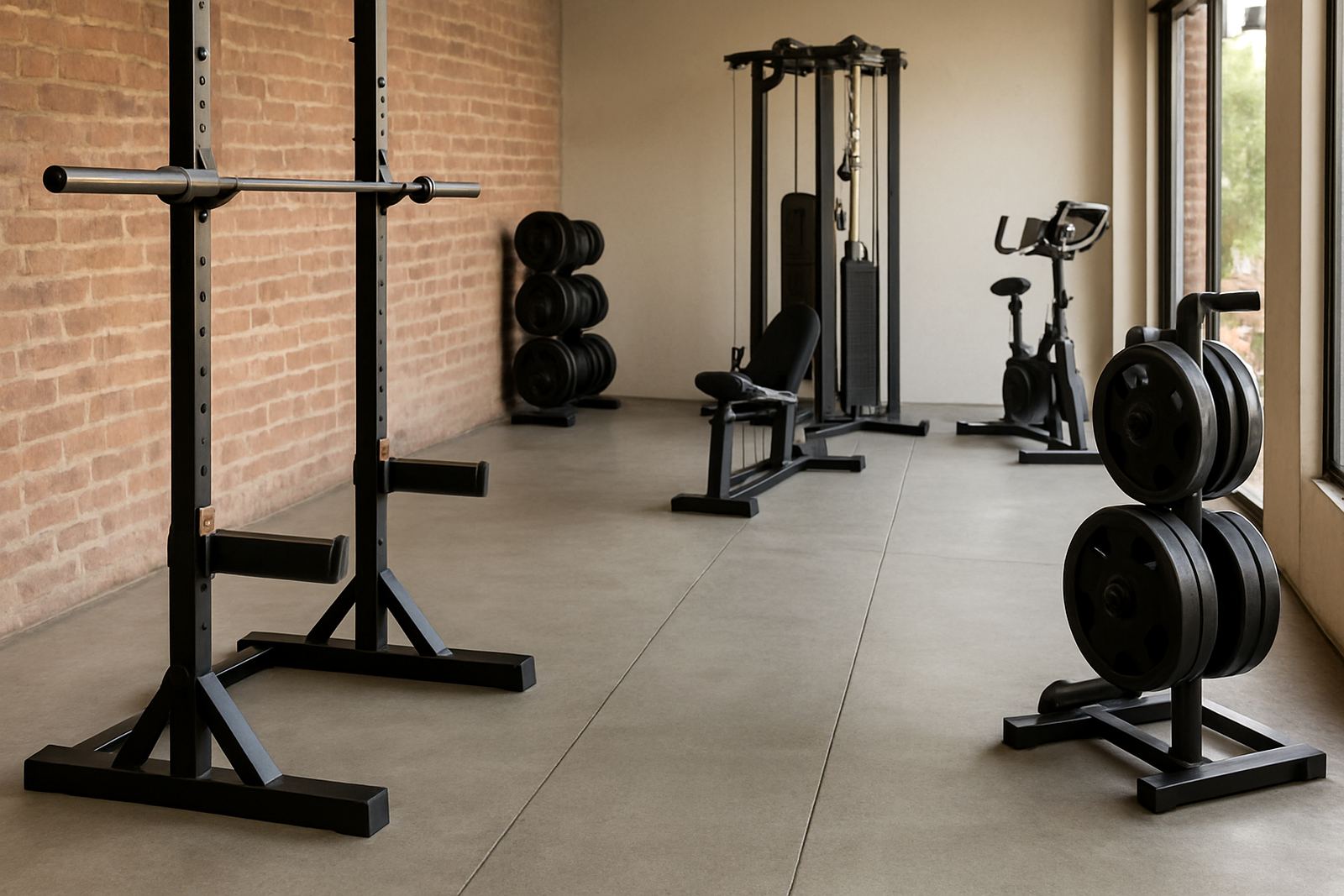
You do not need a full home gym to create a routine. You do need a space that makes exercise feel normal. A small corner in the lounge, garage or spare room can work well if it is set up properly. In Johannesburg homes where space is tight, even 2 square metres can be enough for a mat, a pair of adjustable weights and a resistance band. The important part is that the area is ready when you are.
Keep the space clean, bright and easy to access. If your equipment is stored under boxes or behind furniture, you are creating friction. For coastal humidity in places like Pretoria East after heavy summer rain, wipe down metal parts and let mats dry fully so they do not smell musty. Practical care keeps the space usable.
- Use one permanent spot for your workout gear.
- Keep only the tools you use regularly in that area.
- Wipe equipment after sweaty sessions.
- Check fasteners, bands and tracker straps each week.
Match the programme to the season of your life
A parent with two children, a long commute and a demanding job needs a different plan from someone training for a first 10 km event. Consistency improves when the programme fits your current energy and schedule. A starter programme can help build confidence, while a strength programme or cardio programme can be added once the routine feels steady. If your main challenge is stiffness from sitting all day, mobility coaching may be the smarter starting point.
Think about what will actually happen on busy days. A realistic plan might include two short strength sessions, one mobility session and one weekend walk or cycle. If your family wants to join in, a family fitness plan can turn exercise into shared time instead of another task on your list. The best plan is the one you can keep when work, weather or school schedules shift.
Use support early, not after you have fallen off
Many people wait until motivation drops before asking for help. It works better to get support while the routine is still new. Equipment onboarding can help you understand how to use a tracker properly, how to pair it with your phone and how to read the basic numbers without confusion. Home gym planning also makes a difference, because the right setup saves time every single week.
At FitSmart in Fourways, that support matters because the everyday reality is different in every suburb. A homeowner in Randburg may have limited room, while someone in Midrand may need a plan that works around long office hours and evening school activities. Virtual check ins can keep the routine on track without adding another trip across town, and they are useful when the week gets messy.
If you need guidance, ask for a starter programme, weight loss coaching, strength coaching or cardio coaching that fits your schedule. The point is not to be perfect, it is to keep showing up even when life gets ordinary and busy, because that is what builds real consistency over time.
A simple weekly rhythm that is easy to repeat
Once the basics are in place, the next step is to use a rhythm that reduces thinking. Decide in advance what each day is for, so you are not choosing from scratch every morning. A weekly plan also helps if the weather changes, if there is load-shedding, or if work runs late. You can swap sessions around, but the structure stays in place.
Here is a simple example that works well for many households in and around Johannesburg:
- Monday: 20 minute strength session
- Wednesday: 20 minute cardio or brisk walk
- Friday: mobility and core work
- Saturday: family session or longer walk
If you miss a day, do not restart the whole week. Just move to the next session. That mindset keeps you from turning one missed workout into a lost month. The habit becomes stronger when it can recover quickly.