
Why heart rate zones matter for home training
Training by feel has its place, but heart rate zones give you a clearer picture of what your body is doing during a workout. A short walk on the treadmill, a steady indoor cycle session, and a hard hill climb all affect the heart differently, even if they take the same amount of time. That is why zones are useful for home training, especially when you want to improve without overdoing it.
For people in Fourways, Sandton, Midrand or anywhere else in Gauteng, the value is simple: you can match your effort to your goal. If the power goes off in the evening and you only have 30 minutes before supper, zone training helps you use that time properly. You do not need a long session, just the right one.
- Lower zones help with recovery and easy aerobic work
- Mid zones build endurance and general fitness
- Higher zones improve speed, power and tolerance for effort
What the main training zones actually feel like
Most people use five basic heart rate zones, usually worked out as a percentage of your maximum heart rate. You can estimate that maximum by subtracting your age from 220, though a proper test gives a better result. The exact number matters less than the feel of each zone and how often you use it.
Zone 1 is very light effort. You should be able to talk easily and breathe through your nose most of the time. Zone 2 is still comfortable but steadier, and you can keep going for longer. Zone 3 starts to feel more demanding, with shorter sentences during exercise. Zone 4 is hard work and Zone 5 is near all out, used in short bursts only.
- Zone 1: recovery walks, warm ups and cool downs
- Zone 2: easy cycling, brisk treadmill walking and long fat-burn sessions
- Zone 3: steady runs, rowing or mixed cardio blocks
- Zone 4: intervals and hard climbs
- Zone 5: short sprint efforts, not something to hold for long
Using zone 2 for fat loss and base fitness
Zone 2 is the one many home exercisers ignore, but it is one of the most useful zones for building a base. It feels manageable, yet it still asks enough from your body to improve your aerobic system. If you are trying to lose weight, zone 2 can be a practical place to start because you can stay in motion for longer without burning out halfway through.
People often think fat loss only happens when the workout feels extreme. In reality, consistency matters more. A 40 minute zone 2 session done three times a week can be easier to keep up than one brutal workout that leaves you too sore to move the next day. That is especially true for busy parents in Randburg or Pretoria East who have to fit training between school runs and work.
- Use a pace where you can still speak in short sentences
- Keep the resistance or incline moderate
- Stay there long enough to settle into a rhythm
- Track your heart rate so you do not drift into a harder zone without noticing
When to train in higher zones
Higher zones are useful when you want better speed, stronger cardio output, or more challenge in less time. Intervals in Zone 4 and short pushes into Zone 5 can improve your fitness quickly, but they need to be placed carefully. If you do them too often, your recovery suffers and your motivation drops.
For most people, one or two harder sessions a week is enough. The rest of the week should include easier work, walking, mobility or light cardio. If your tracker shows a high heart rate during a session that was meant to be easy, it may be time to slow down or check your recovery, sleep and hydration. In summer, Johannesburg heat can push the heart rate up faster than expected, so do not chase numbers blindly.
- Use hard intervals on days when you feel rested
- Warm up properly before pushing into high zones
- Leave at least 24 to 48 hours before the next hard session
- Stop if you feel dizzy, chest pain or unusual breathlessness
How to read your tracker without overthinking it
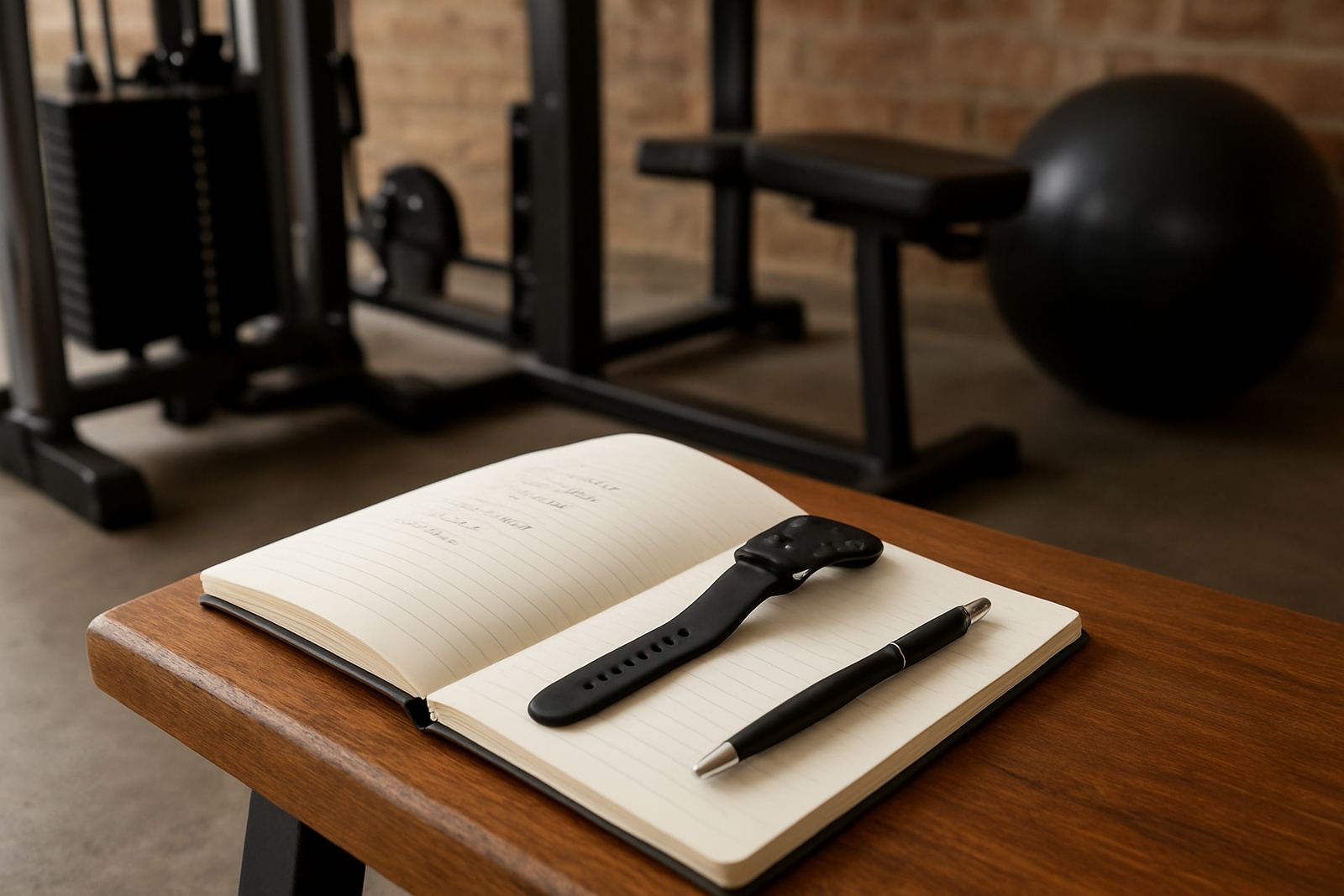
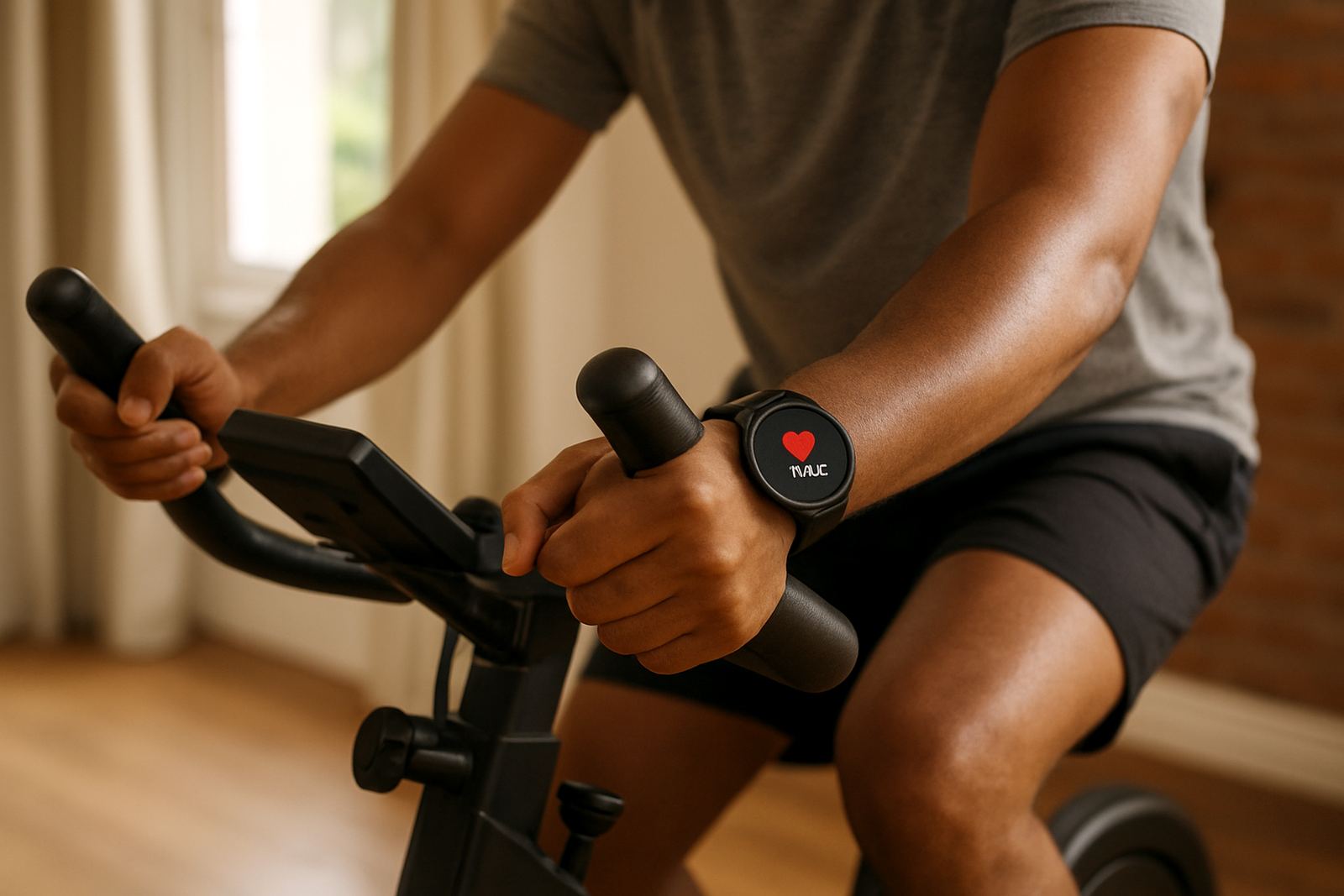
A fitness tracker should make training easier not more stressful. Use it as a guide, not a judge. If your wrist reading is a bit off during strength work or a fast change in pace, that is normal. What matters is the pattern over time. Are your easy sessions staying easy? Are your recovery heart rates coming down faster? Can you complete more work at the same effort than you could a month ago?
At FitSmart, many people ask whether they need expensive gear to understand zones. You do not. A basic tracker, a chest strap if you prefer one, and a simple plan are enough for most home users. If you are setting up a home gym in Fourways or Midrand, the best approach is to match the tracker to the type of training you actually do, not the other way round.
- Check that the strap or watch fits snugly
- Use the same device for consistent readings
- Look at weekly trends instead of one session only
- Pair heart rate data with how you feel after the workout
A simple weekly zone plan for a Johannesburg home gym
If you are not sure where to begin, keep it simple. A balanced week can include two easy zone 2 sessions, one harder interval day, one recovery day and one strength session. That mix works well for many beginners and intermediate users, and it suits home training where time and space are limited. It also helps on weeks when load shedding disrupts your routine, because you can shift sessions around without losing the structure.
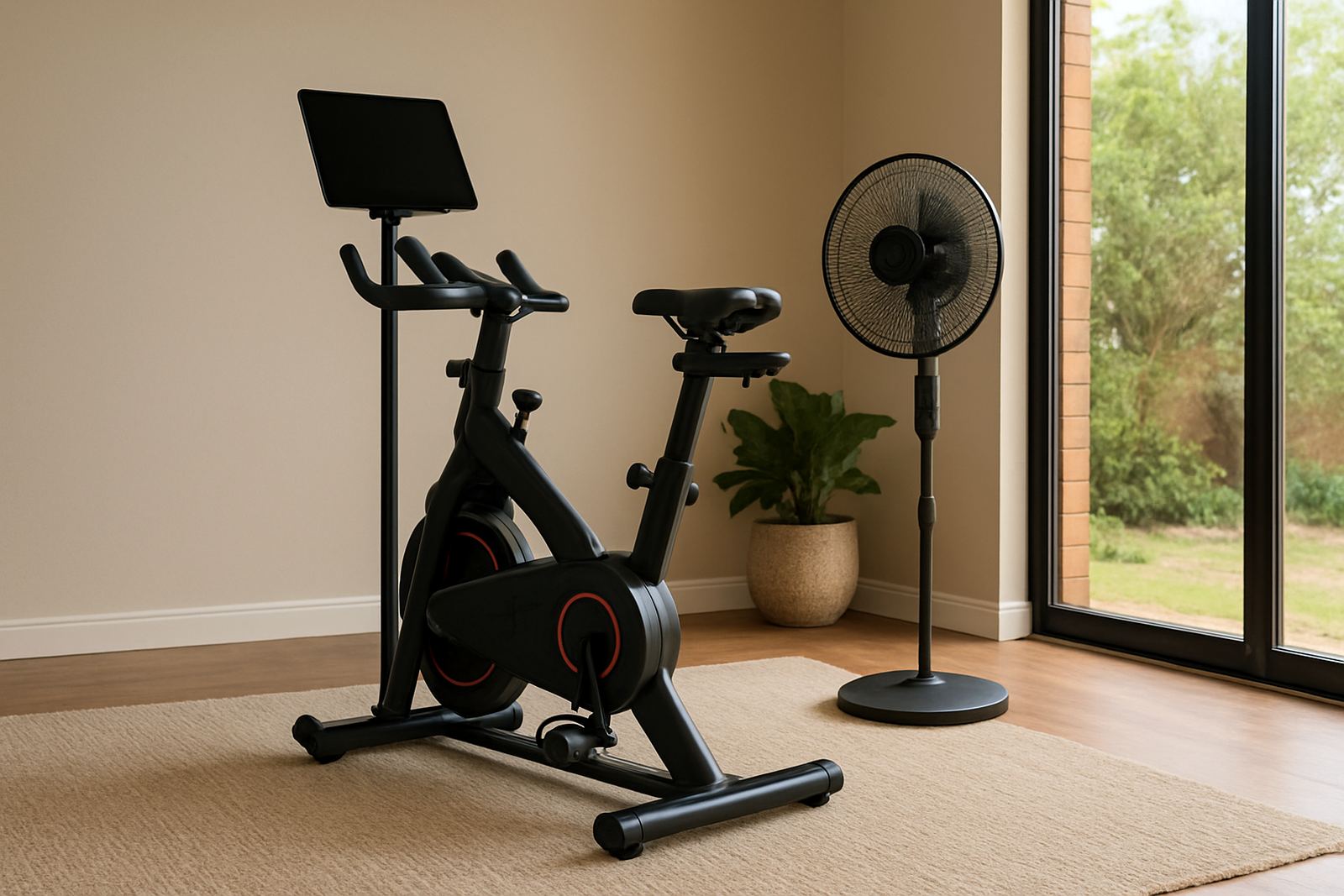
For example, a homeowner in Sandton might do a 35 minute bike session in Zone 2 on Monday, a strength workout on Wednesday, a short interval session on Friday and a family walk on Sunday. Someone in Roodepoort who prefers walking or treadmill work might use the same structure with a slightly different pace. The exact exercise can change, but the zone purpose stays the same.
- Monday: Zone 2 cardio for 30 to 45 minutes
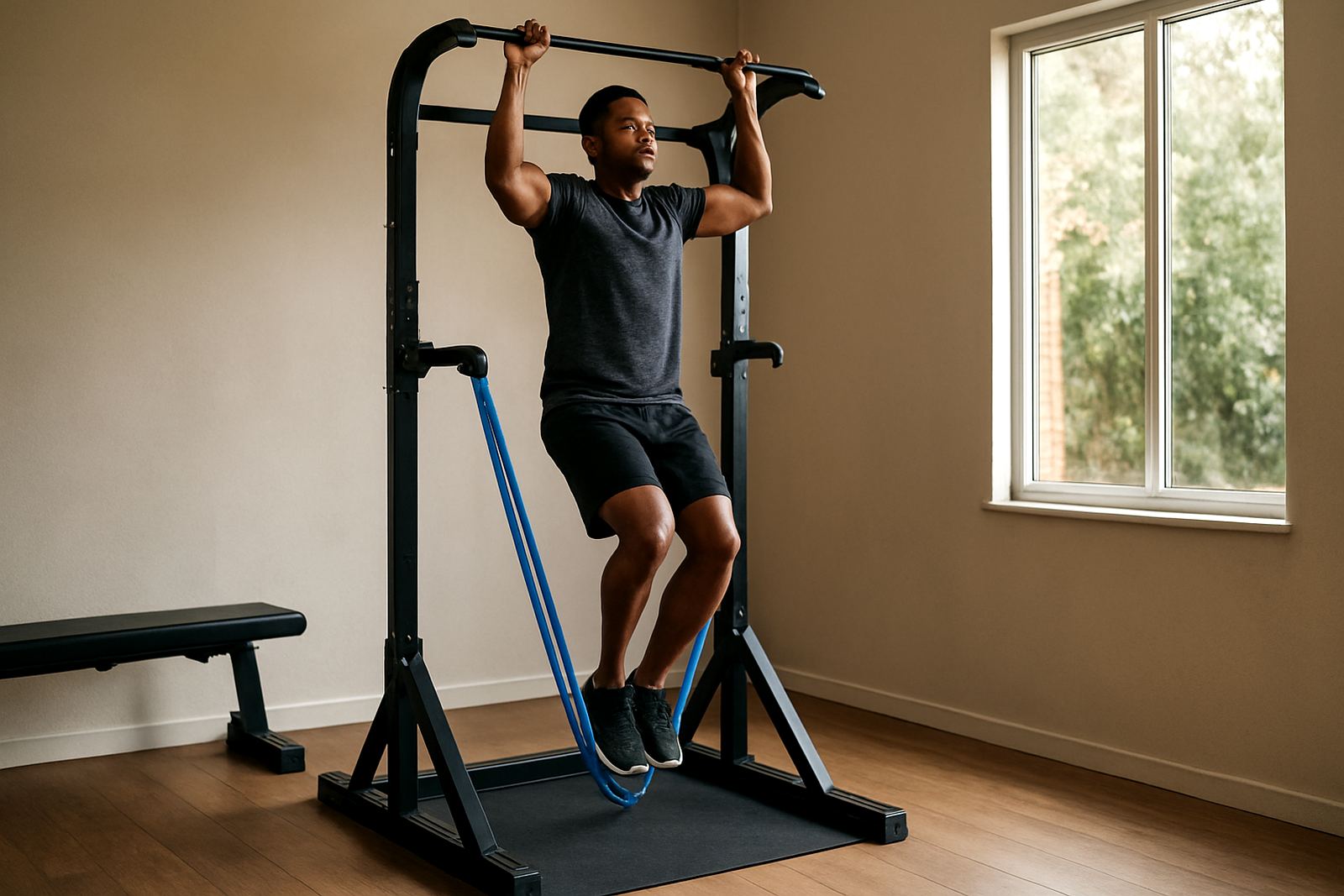
- Wednesday: strength work with a light warm up and cool down
- Friday: short interval session in Zones 4 to 5
- Sunday: recovery walk or easy mobility session
The key is to keep the plan realistic. If your week is busy, do less but do it regularly. That gives better results than starting strong and then missing half your sessions.