
Why small spaces can still support real training
A small room does not need to limit your training. In fact, a tighter space often helps people stay more focused because there is less setup and fewer distractions. If you can clear an area about 2 by 2 metres, you already have room for floor work, strength circuits and steady cardio intervals.
For many Johannesburg households, the challenge is not the workout itself, it is fitting training around everyday life. A spare room in Fourways may also double as storage or a study, while a flat in Sandton or Randburg may only leave a narrow open patch beside the bed. That is still enough for a sensible routine if you choose equipment that can be lifted, stacked and packed away quickly.
Start with the floor plan first. Measure the usable space, check the ceiling height and look at where the fan, windows and light switches sit. If you train early or late, noisy jumps may bother neighbours, so low impact work is often the better choice in apartments, especially in buildings with thin floors.
Choose gear that earns its place in the room
In a small room, every item should have a clear purpose. A few compact pieces can cover a lot of training without turning the room into a storeroom. Think in terms of versatility, storage and how quickly the item can be used between work calls or school runs.
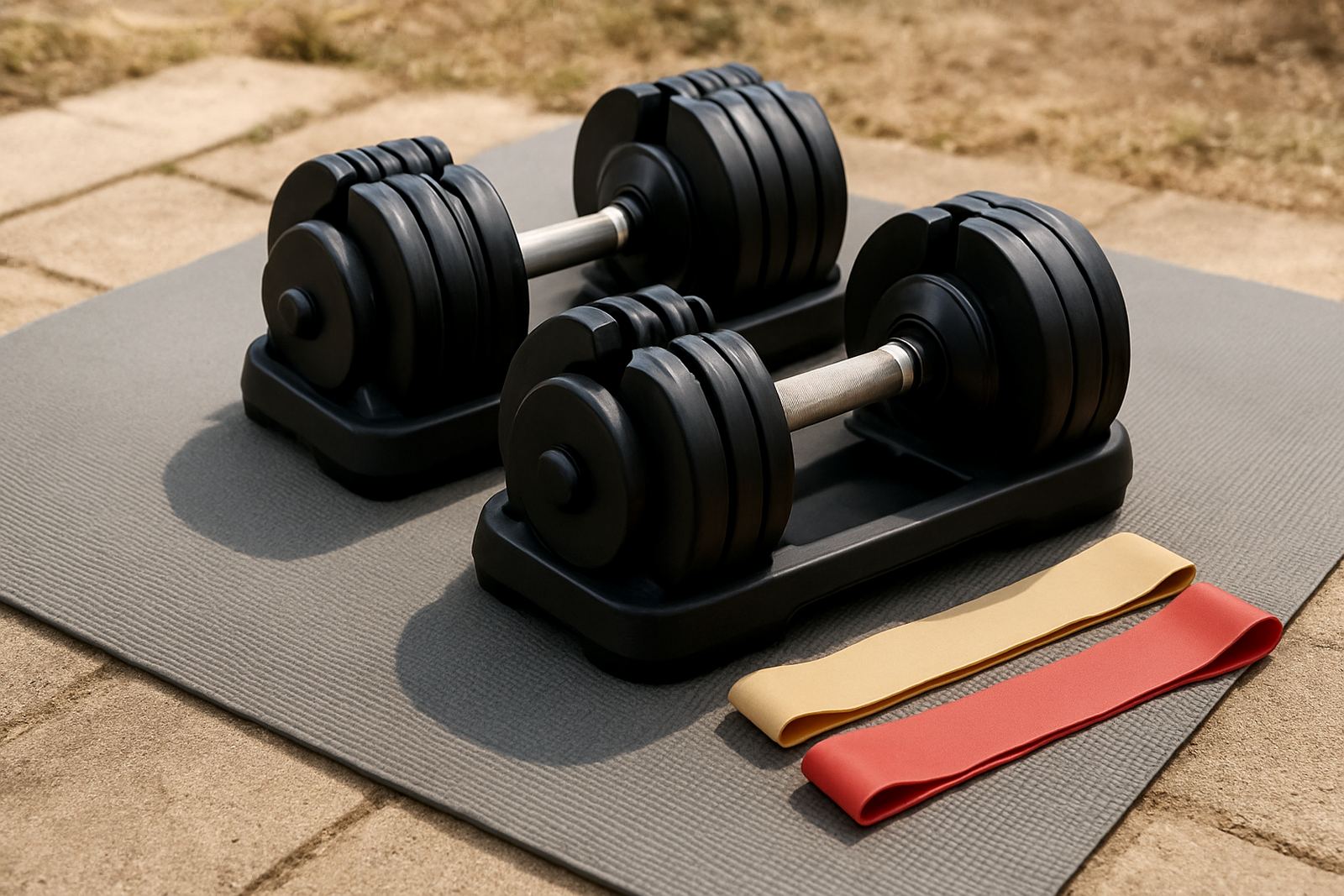
- Adjustable dumbbells for presses, rows and squats
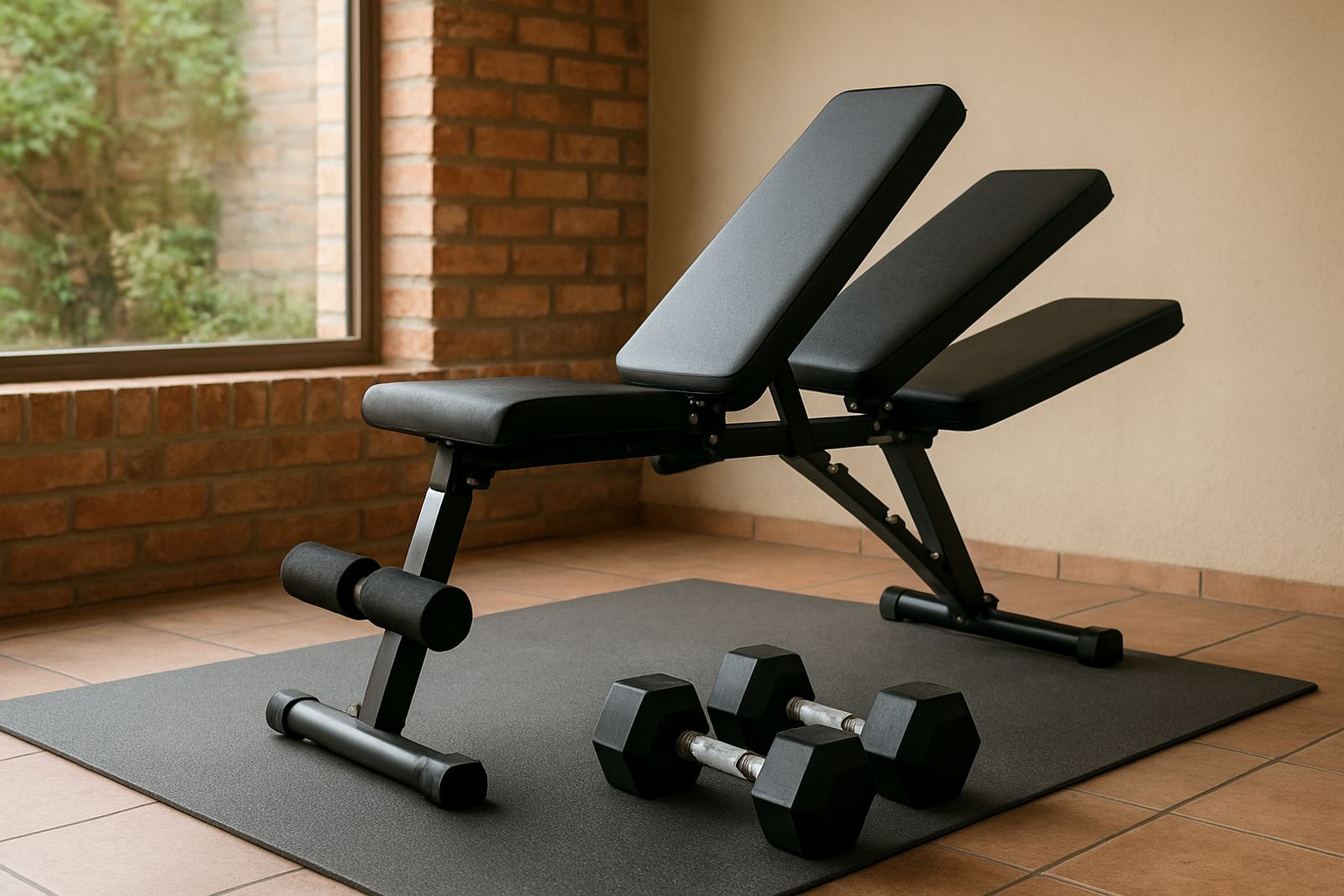
- A folding training bench that can stand against the wall
- Resistance bands for mobility, glute work and assisted exercises
- A yoga mat with enough grip for floor drills and stretching
- A compact tracker to monitor heart rate, active minutes and recovery
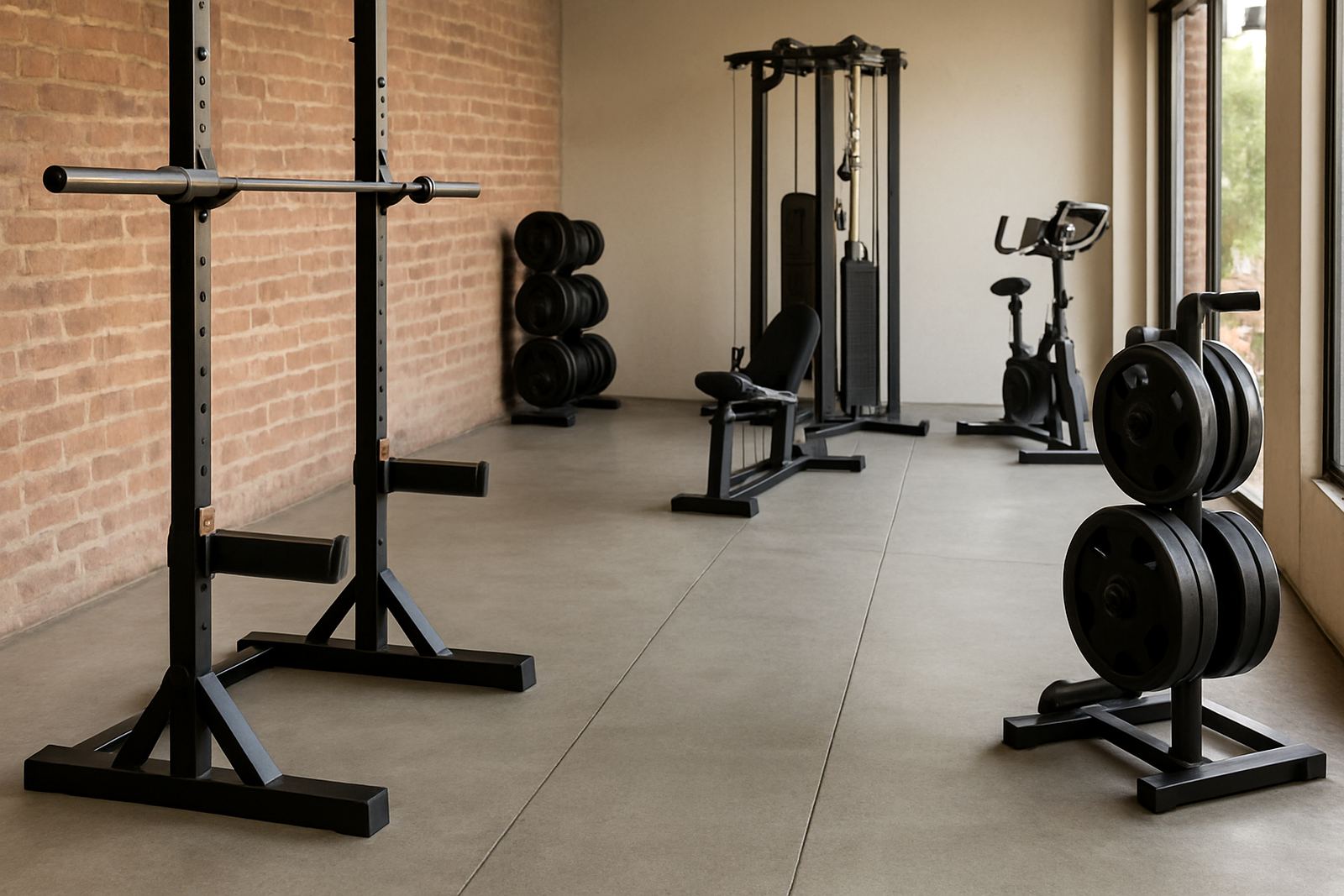
If you want a cardio option, choose something with a small footprint and a steady motion. In a warm room, especially in Pretoria East or coastal areas with humid air, you will want equipment that can handle daily use and still be wiped down easily after each session. Sweat builds up fast in a small area, so cleanable surfaces matter more than fancy extras.
Simple sessions that fit into 15 to 30 minutes
Short sessions work well in smaller rooms because they are easy to start and easy to repeat. Instead of trying to fit in a long gym style session, plan 15 to 30 minutes with a clear aim. One day can focus on legs, the next on upper body, and another on mobility or light cardio.
A basic circuit might include squats, floor presses, rows, planks and marching steps in place. Keep the rest periods short if you want a cardio feel, or lengthen them if you are building strength. The main point is consistency. Three small sessions a week often beat one long session that keeps getting pushed aside.
Try this structure:
- 5 minutes warm-up with arm circles, hip openers and marching
- 12 minutes of 3 exercises done in rounds
- 5 minutes core work or mobility
- 3 minutes cool-down breathing and stretching
If your room is upstairs, keep the floor work controlled so you are not thumping around. That matters in townhouse complexes and sectional title units where neighbours are close by and noise carries more than you expect.
How to train around load-shedding and tight routines
Load-shedding does not need to stop a home workout. In a small room, the best plan is one that still works when the power goes off. Bodyweight exercises, bands and manual weights are useful because they do not depend on electricity or signal. If you rely on a tracker, keep it charged during the day so it is ready when the evening slot opens.
A good routine for South African homes is to train at the same time most days, with a backup version for power cuts. For example, if you usually train at 6 pm, keep a 20 minute no-equipment option ready for blackout evenings. That could be squats, lunges, push-ups on the wall or floor, glute bridges and a brisk march on the spot. It is simple, but it keeps momentum going.
In Fourways and Midrand, many people work from home and juggle meetings with school runs. That is where tracked goals help. Steps, calories and heart rate trends can show whether you are staying active even when the day gets split into smaller chunks. It is easier to keep going when the feedback is plain and quick to check.
Make a spare room feel ready in under five minutes
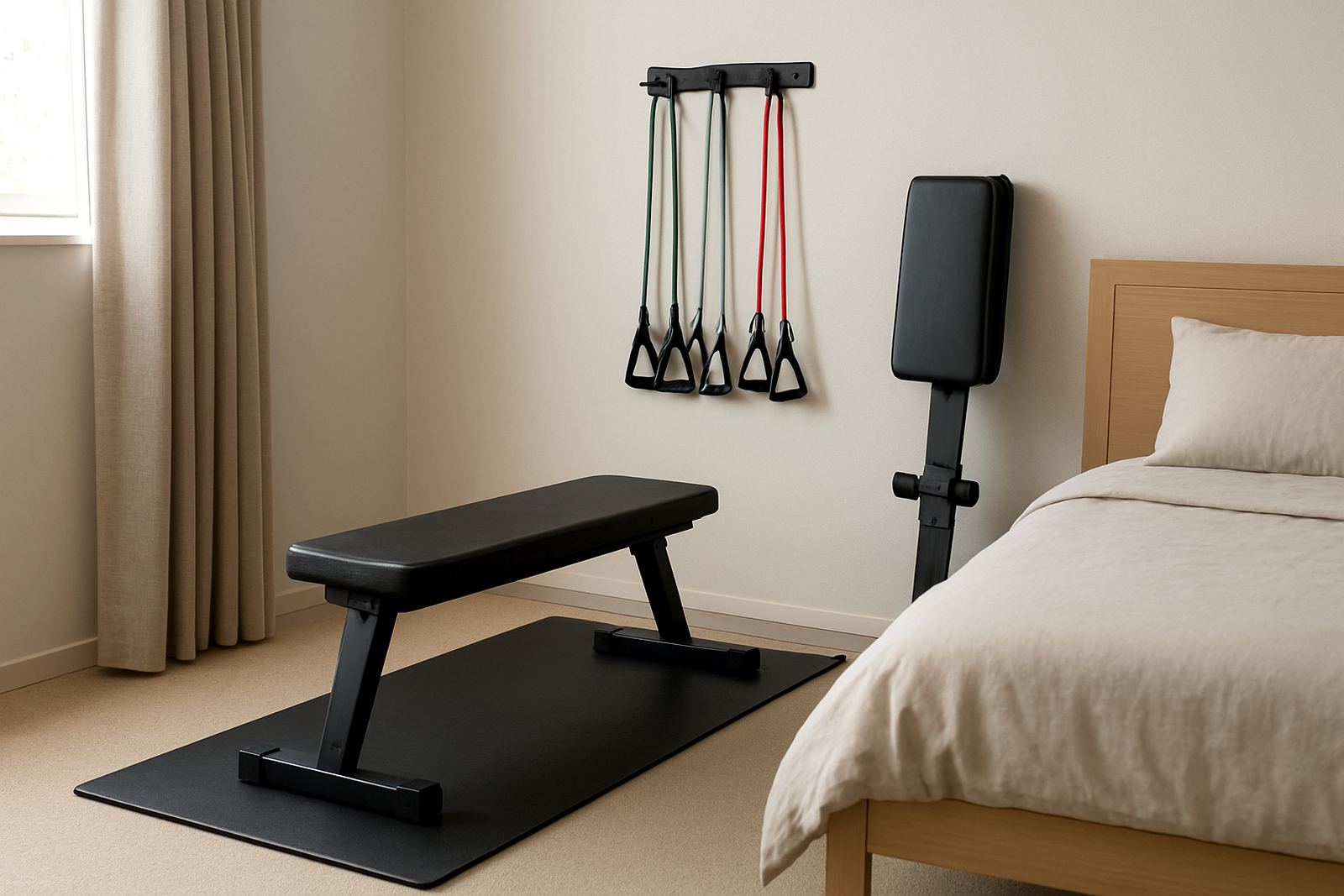
The best home training space is one you can set up quickly. If it takes 20 minutes to move furniture each time, the habit becomes harder to maintain. Aim for a room where one corner stays clear, even if that means using a fold-away bench, a wall hook for bands or a basket for small items.
Keep the room practical rather than perfect. A mirror can help with form checks, but it is not essential. Good airflow, enough light and a stable floor matter more. In older houses, check that rugs do not slip and that there is enough clearance for overhead presses. A tight room can still be safe if you are careful with spacing and equipment placement.
Useful room setup habits include:
- Store weights low and against one wall
- Leave one clear strip for stepping and lunging
- Keep water, towel and charger close by
- Use a timer or tracker for work and rest periods
That small amount of organisation makes training easier to repeat, and repeatable training is what gets results.
A local example from a Fourways flat
Take a one-bedroom flat in Fourways as an example. The spare corner beside the wardrobe gives just enough space for a mat, a pair of adjustable dumbbells and a tracker on the wrist. The resident trains before work, does a 20 minute strength session on Monday, Wednesday and Friday, then uses Tuesday for mobility and Saturday for a short cardio circuit. Nothing complicated, but it fits the space and the schedule.
After a few weeks, the room no longer feels like a compromise. It becomes part of the routine. The gear stays out of the way, the workout starts on time, and the person does not have to travel across town or wait for an open machine. For many people in Sandton, Randburg or Roodepoort, that practical advantage is the whole point.
Small room workouts work best when they are planned around real life. Once the setup is simple, there is less excuse to skip. And if the kit suits the room, you can train properly without turning the house upside down.
Build around progress, not square metres
The size of the room matters less than the quality of the routine. If you train with purpose, keep the space clear and use equipment that suits the room, you can make steady progress from home. Some people only need a mat and bands. Others want a bench, weights and a tracker to keep tabs on effort and recovery. Both approaches can work.
What counts is choosing a plan you can repeat in the long run. That is where home training usually wins. It cuts travel time, works around family schedules and makes it easier to stay active on busy weeks. For households in Pretoria East or across Johannesburg, that kind of flexibility is worth a lot.
Small rooms are not a limitation if you train with intention. They just ask for better planning and the right equipment. Once that is in place, a flat, spare room or compact home gym can do more than most people expect.